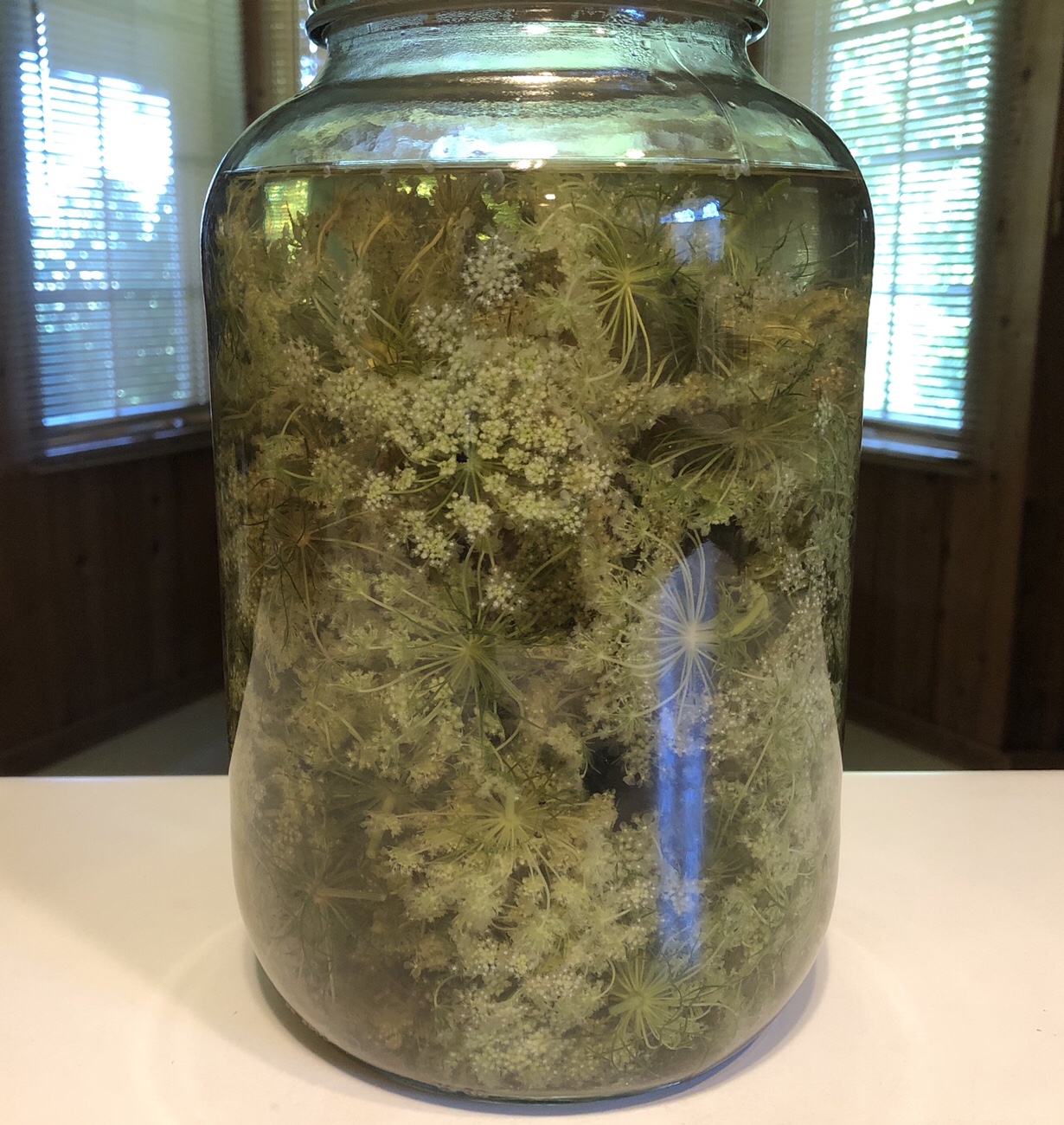
The Queen Anne’s Lace was so good in jelly – and those lacy flower heads keep springing up along the fencelines – I had to try making wine!
Self-taught farmers confidently raising chickens, ducks, geese, and pigs. Our focus is on practices that are environmentally harmonious and respectful to our livestock. We appreciate the beauty around us, clean eating, fermenting, and responsibly utilizing the bounty of the land. If you like thinking for yourself, continuous learning, and connecting with the homesteader lifestyle, check us out.
The Queen Anne’s Lace was so good in jelly – and those lacy flower heads keep springing up along the fencelines – I had to try making wine!
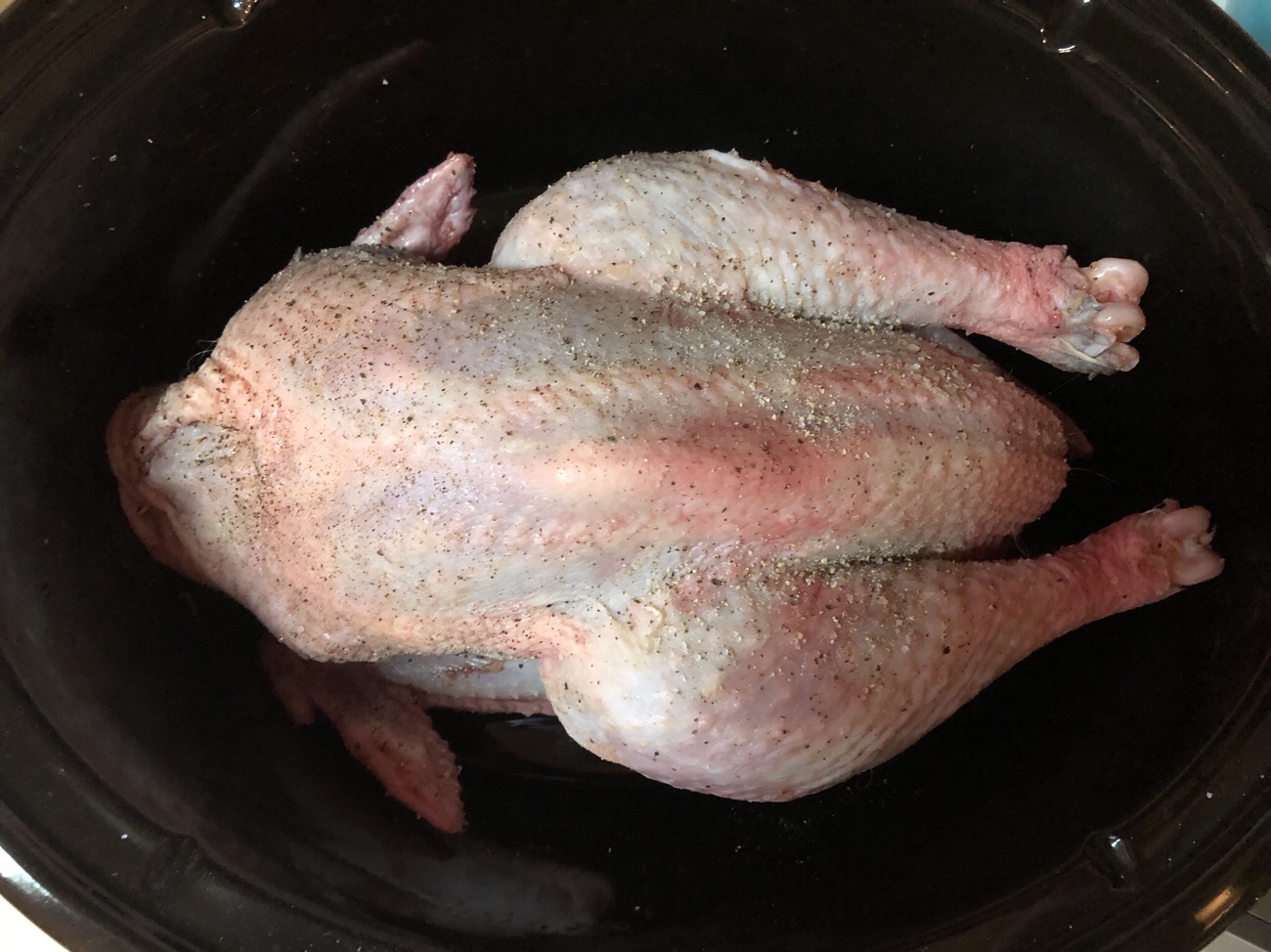
With each chicken egg hatch, around half of the chicks will be males. What to do with all of those cockerels? As we mentioned in an earlier post, you must have a plan for them or it can get real, fast: when cockerels’ hormones kick in, they can become a handful.
Continue reading “Slow Food: The Terroir Of Pastured Rooster”
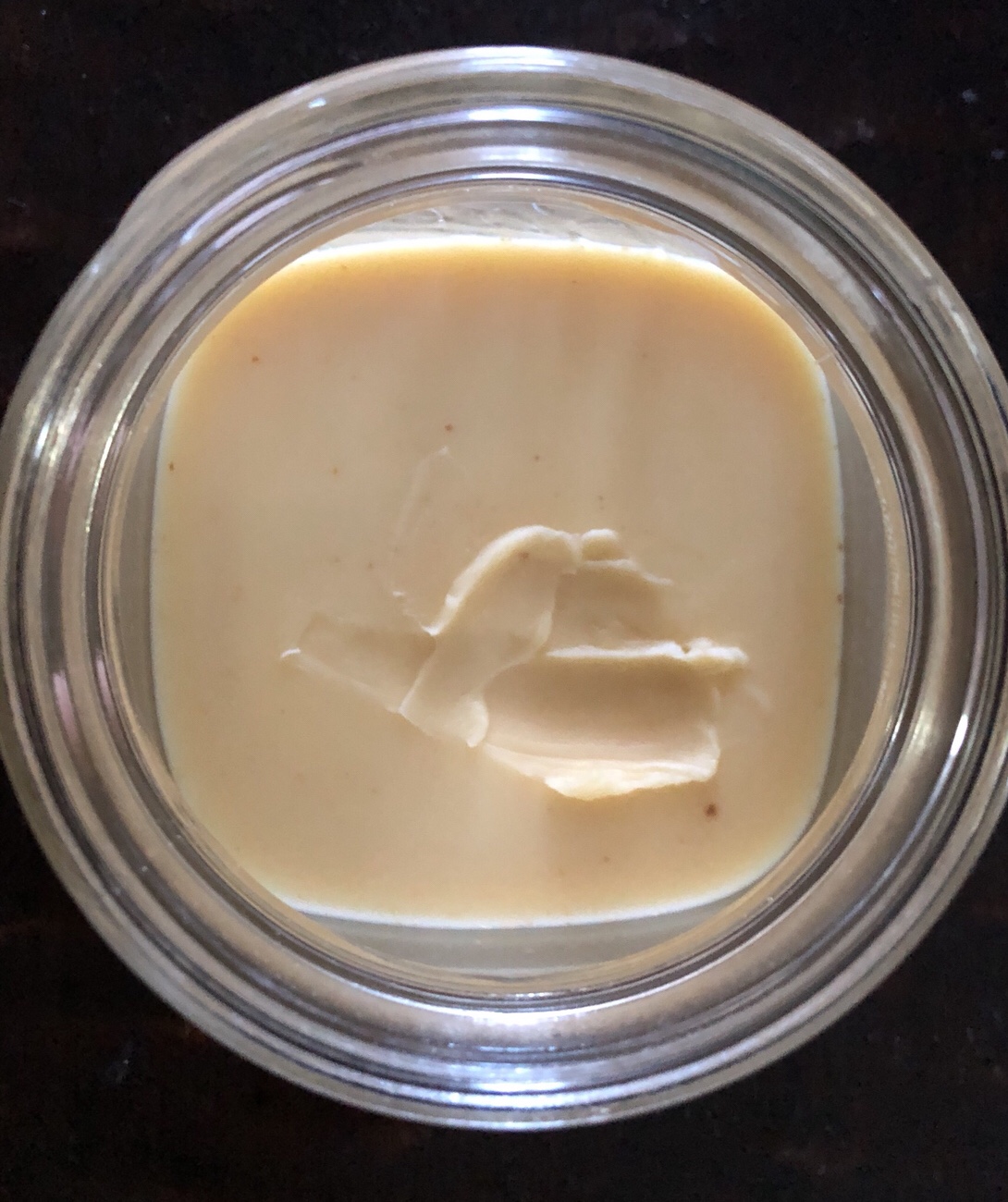
Delightful DOMS…Delayed Onset Muscle Soreness is what you may experience when you begin working out again or just generally overexert yourself. It usually takes 2-3 days to reach “peak” soreness, and as you get older, it seems like it takes longer for your muscles to recover. So what do you do? Break out the BENGAY®? Nope – make your own herbal salve for those aches and pains, instead!
Continue reading “Natural Body Care: Homemade Sore Muscle Salve”
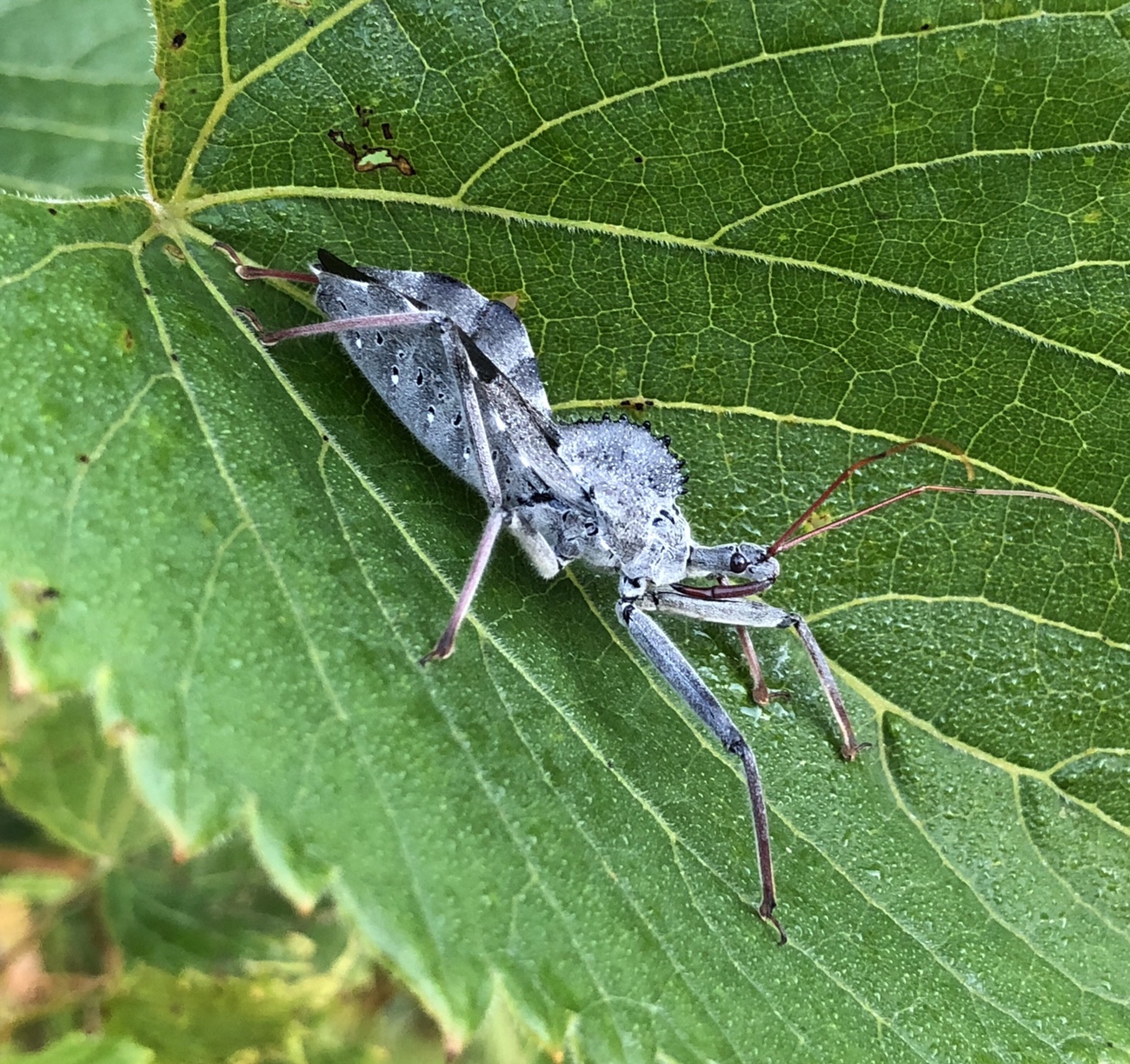
One of the really amazing benefits of not using chemicals on our pastures is the great diversity of bug life. While some are breathtaking (Monarchs joyfully flitting about), others are troublesome (Japanese beetles making lace doilies out of leaves). Fortunately, the “pests” have natural predators, like the stately and stealthy Wheel Bug.
Continue reading “Around The Farm: Weirdly Wonderful Wheel Bugs”
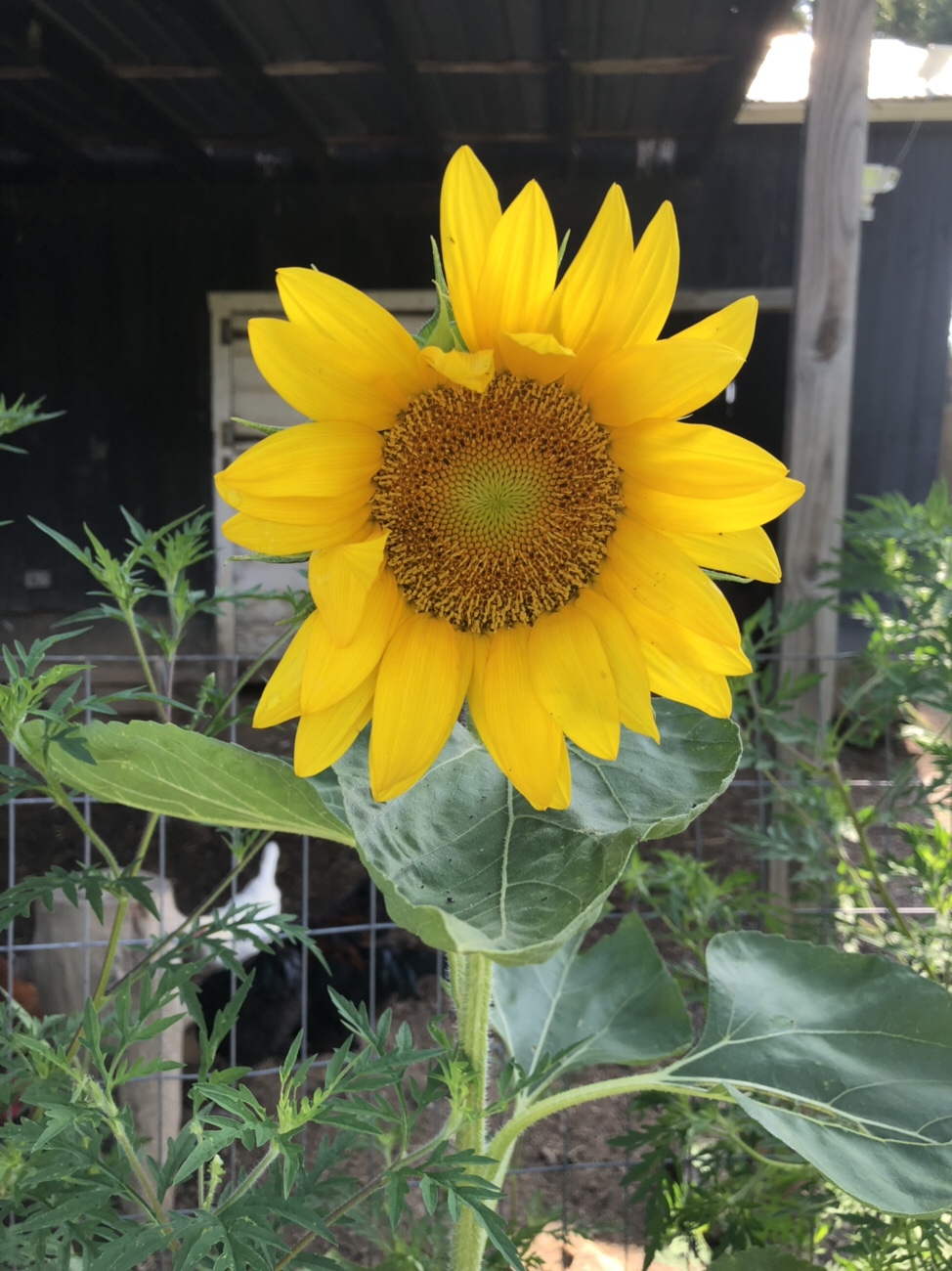
There’s a volunteer sunflower growing close to the duck coop. It was probably a stray seed that the fowl missed, a seed that luckily landed in the damp soil where it wasn’t spotted and then germinated. This sunflower turns its face to the sun in the morning, as if to greet the new day. I like sunflowers, and I especially like the ones that just pop up (seemingly) out of nowhere.
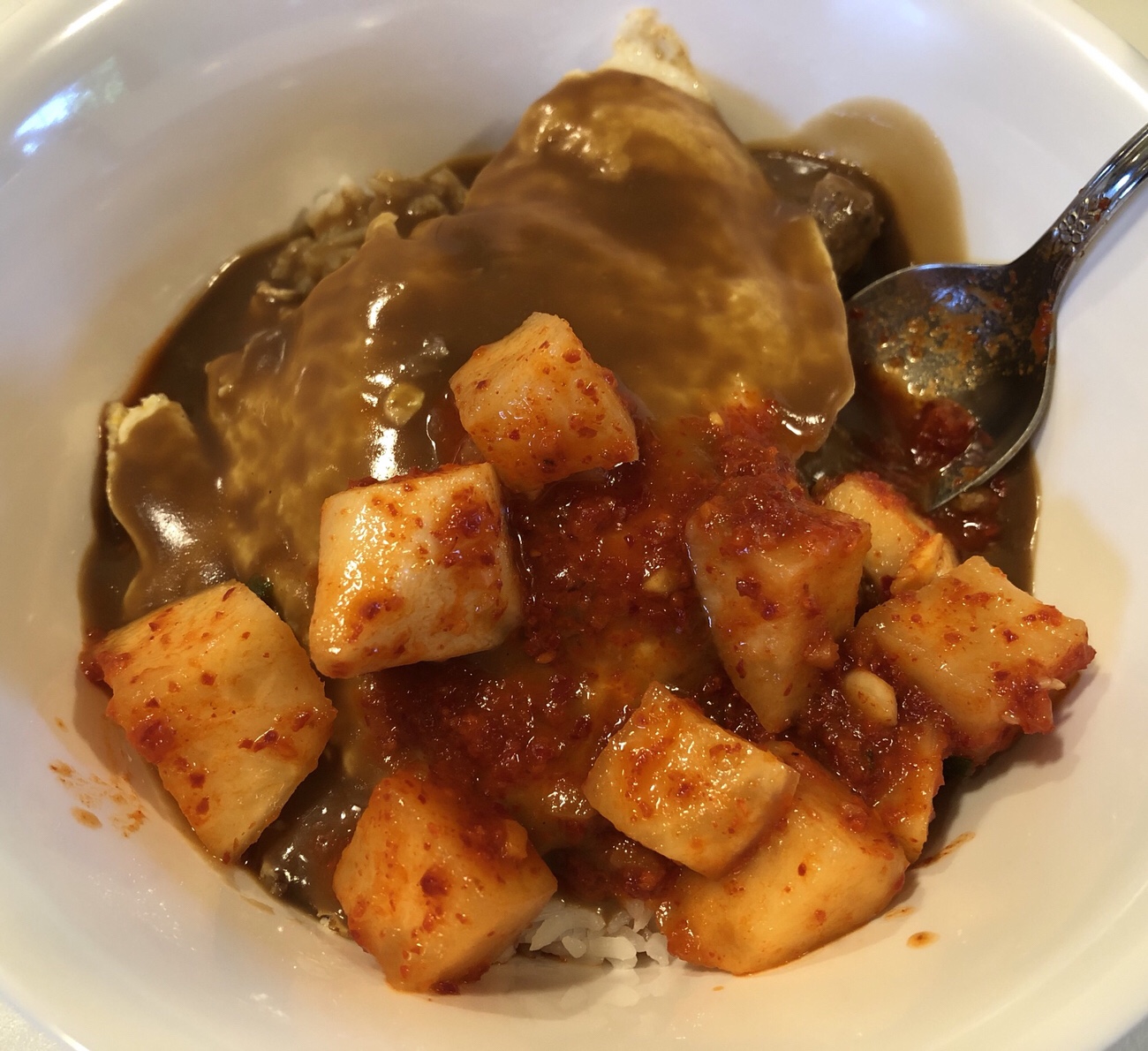
I have eaten my fair share of “local food”, meaning the multicultural food culture the diverse people of Hawaii have created and made uniquely their own, and includes influences from ethnic Hawaiian, Korean, Chinese, Japanese, Portugese, and Filipino food. When you eat “local food”, you’re eating from a cultural melting pot that has successfully married unlikely partners such as Spam and the sticky rice and nori from sushi. Don’t call it Spam sushi – it’s Spam musubi (pronounced “moo-soo-bee”, accent on the first syllable). It used to be a guilty pleasure, but I no longer eat it because it (1) contains factory farmed pork , (2) contains sodium nitrite, and (3) is high in sodium. Continue reading “Dinner For Breakfast: Loco Moco”