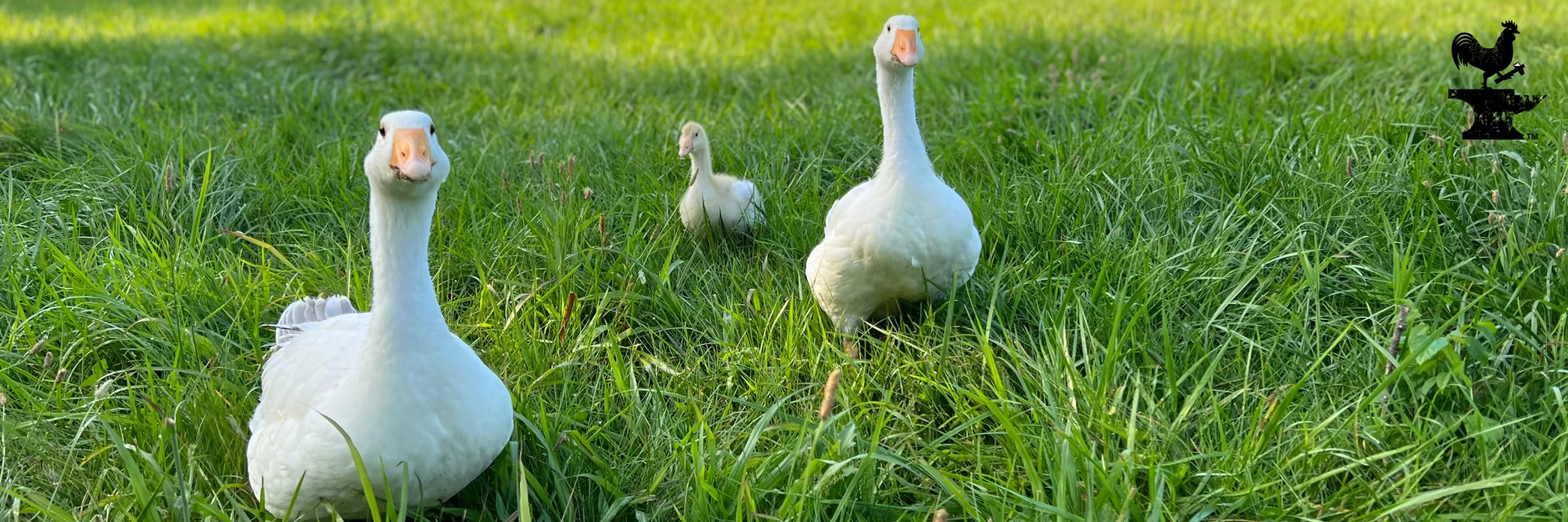
 The adult Muscovies have been lodging in the chicken coop for the past couple of weeks. It’s amazing that they knew it was time to leave the small coop to Phoebe, who only has a week to go until hatch day; one evening, we went to round everyone up and we discovered that the adults had all just moved into the chicken coop. Clever creatures. Phoebe’s in the “grumpy broody” phase, and they must have known it was coming.
With the adults and the two groups of growing juveniles, it was time for the ducks to have a place of their own. The chickens didn’t like the ducks in “their” coop, either – the chickens were reluctant to jump down from the roost with the ducks on the floor, circling like sharks. Fortunately, skirmishes were limited to occasional feather-pulling when a duck grabbed at an unlucky (or inattentive) chicken. Continue reading “A Coop Just For Ducks”
 It was time to replace the cruddy old kitchen sink fixture with a newer model. The existing faucet, which came with the house, was too short to get pots and bottles under it; even better, the scale and corrosion around the sprayer head was so gross-looking that no one wanted to use it. After doing some research, we ordered a sleek stainless fixture online. It had arrived, so we set about installing it.
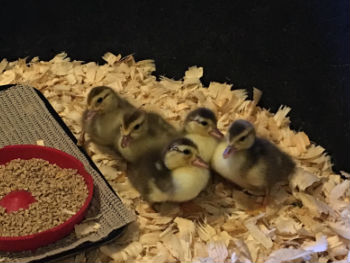 Our second duckling hatch resulted in a disappointing hatch rate. Of 9 eggs that made it to lockdown, only 5 survived the hatch. Several possible factors include a power failure during incubation, fluctuating humidity (due to weather), and a crappy hatcher that caused us a lot of grief with large, inexplicable temperature swings. We used a great incubator by a well-known brand for the actual incubation and then moved the eggs to the hatcher (incubator) at lockdown. The eggs were only in the hatcher for the final 3 days, but it certainly didn’t help. The #%*!! hatcher was sent back and a more expensive incubator with a digital thermostat will arrive shortly.
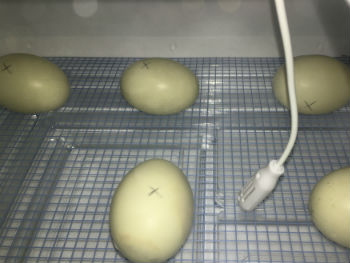 The second batch of Muscovy eggs in the incubator should hatch in about 2 days. While they have a reputation for being difficult to artificially incubate, there is excellent information readily available to first time incubators from Muscovy enthusiasts who have experience incubating these eggs. “Lessons learned” shared by others can save you a lot of grief.