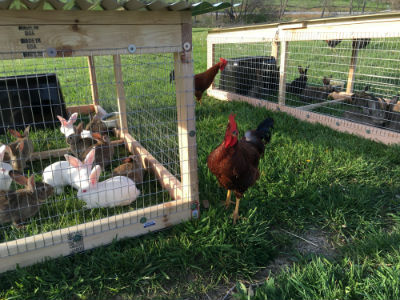
 Can you believe that the rabbit kits are nearly 8 weeks old now? It was looking crowded in the kindling cages – there were 20 babies, after all – so we built two additional tractors this weekend. These are tractors number 4 and 5, and we made minor modifications to improve on the original design; specifically, reducing the width slightly to allow for a larger roof overhang (we get good storms out here). It’s all about continuous improvement!
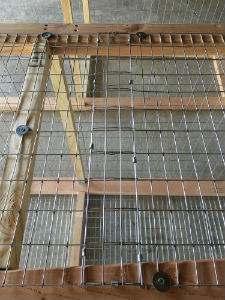 Construction never seems to go quite as planned. We encountered the typical twisted lumber issues; even better, we discovered a roll of cage wire had a major defect (a gap where it was missing wire) that wasn’t visible until we had wrapped more than half the tractor and secured it with screws. Rather than undo it all to take the wire back, we patched it and continued on. It was a bad surprise, though, meriting choice expletives. Continue reading “New Rabbit Tractors”
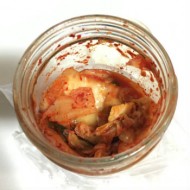 Are you afraid to try pungent food? Do you avoid garlic, afraid that its fragrance will cling to you like an unwelcome perfume? If so, stop reading this post. If you say “bring it on!” to smelly food and you embrace tastebud adventure, stay with us.
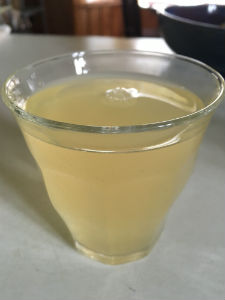 Like many things, making Jun tea improves with practice. In an earlier post, our first attempts, with malodorous results, were described. We’re now on batch #6, and the output of the hard-working scobies has been gratifyingly good.