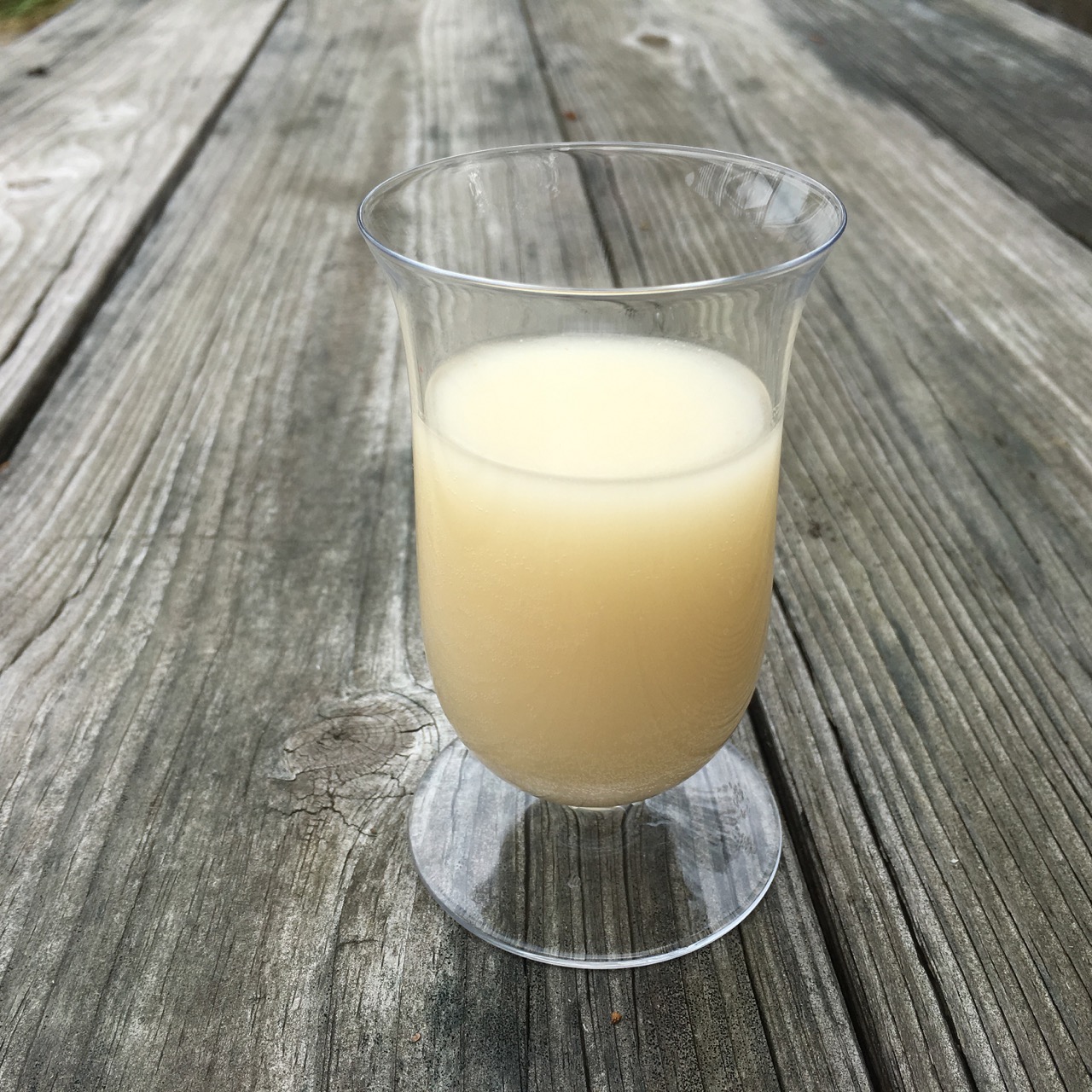
If you know only one thing about me, know this: I am a fermenter. I ferment both food and drink, and I do it not only for the health benefits but also for the sheer pleasure of consuming something I made myself. As an individual with some Korean heritage, I frankly felt a little embarrassed about buying kimchi at the local Korean store – and I’m a fermenter, for crying out loud! I could make kimchi, and I could make it the way I wanted it…but that’s for another post. Let’s just say that I made very respectable kimchi (배추김치 and 깍두기), so I moved on to trying my hand at makgeolli (막걸리), a Korean rice-based liquor.
Continue reading “Farm Ferments: Making Magnificent Makgeolli”
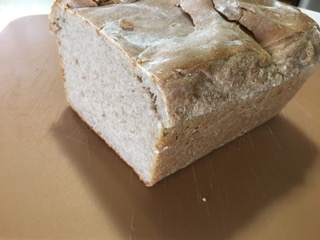 We like to buy local, so we’re fortunate to have a flour mill within an hour’s drive of our farm (and, as an added bonus, it’s in a postcard-worthy setting). We recently picked up some flour for our sourdough, as well as a bag of rye flour and a bag of white cornmeal. Today, we used some of the rye flour to replace the wheat flour in our sourdough bread. Was it scientific? No. But keep reading to see how it came out.
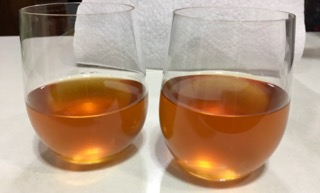 It’s been several months since we started the orange wine. Why orange, you ask? Because there was a bag of delicious, juicy Valencia oranges in the refrigerator that were on the verge of being past their prime – often, what’s available is a key factor in the decision about which wine to make.
 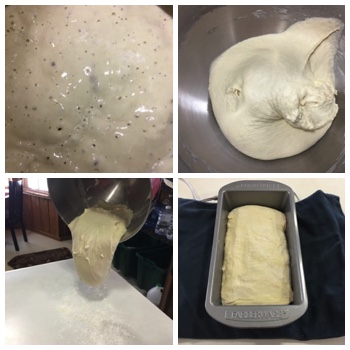 One of our favorite ferments is our recently-resurrected sourdough starter. It began as a dry powder, but with consistent feedings, has become a reliable producer of delicious sourdough loaves – no yeast needed!