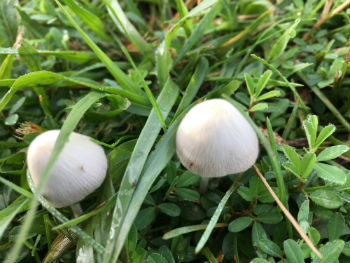
 In the PNW, you can find mushrooms in your lawn, growing on trees (and, if you have a moisture problem, even in your house). Mushrooms like it soggy – think dripping moss in the rainforest soggy. Slow-moving giant slug slime soggy. Squishy, oozing mud soggy.
It’s been wet here in KY for a stretch, and mushrooms have appeared. Everywhere. As a rule, we don’t eat mushrooms unless we know for certain that they’re edible. Wild mushrooms, like other wild plants, can easily be misidentified by novice foragers. Caution in eating mushrooms seems to be instinctual, at least in some animals- our older dog who is otherwise very food adventurous will not eat mushrooms (unless smothered in spaghetti sauce, then they don’t really count). Seems like it might be hard wired. Continue reading “A Multitude of Mysterious Mushrooms”
 The adult Muscovies have been lodging in the chicken coop for the past couple of weeks. It’s amazing that they knew it was time to leave the small coop to Phoebe, who only has a week to go until hatch day; one evening, we went to round everyone up and we discovered that the adults had all just moved into the chicken coop. Clever creatures. Phoebe’s in the “grumpy broody” phase, and they must have known it was coming.
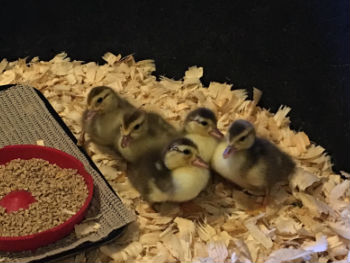 Our second duckling hatch resulted in a disappointing hatch rate. Of 9 eggs that made it to lockdown, only 5 survived the hatch. Several possible factors include a power failure during incubation, fluctuating humidity (due to weather), and a crappy hatcher that caused us a lot of grief with large, inexplicable temperature swings. We used a great incubator by a well-known brand for the actual incubation and then moved the eggs to the hatcher (incubator) at lockdown. The eggs were only in the hatcher for the final 3 days, but it certainly didn’t help. The #%*!! hatcher was sent back and a more expensive incubator with a digital thermostat will arrive shortly.
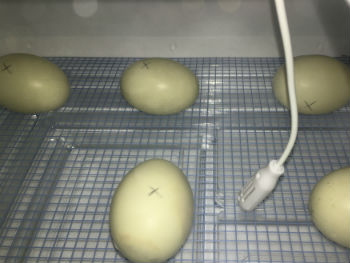 The second batch of Muscovy eggs in the incubator should hatch in about 2 days. While they have a reputation for being difficult to artificially incubate, there is excellent information readily available to first time incubators from Muscovy enthusiasts who have experience incubating these eggs. “Lessons learned” shared by others can save you a lot of grief.
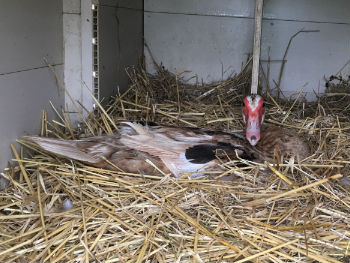 Is broodiness really contagious? Coraline’s ducklings are now seven weeks old, and another Muscovy duck has gone broody. This time, it’s Coraline’s pal Phoebe. Phoebe looks a lot like Coraline, minus the white neck band, and has a gentle, low-key personality.