Cast Iron Cooking: Easy Appalachian-Style Cornbread

Appalachian Corn Bread in Cast Iron Skillet

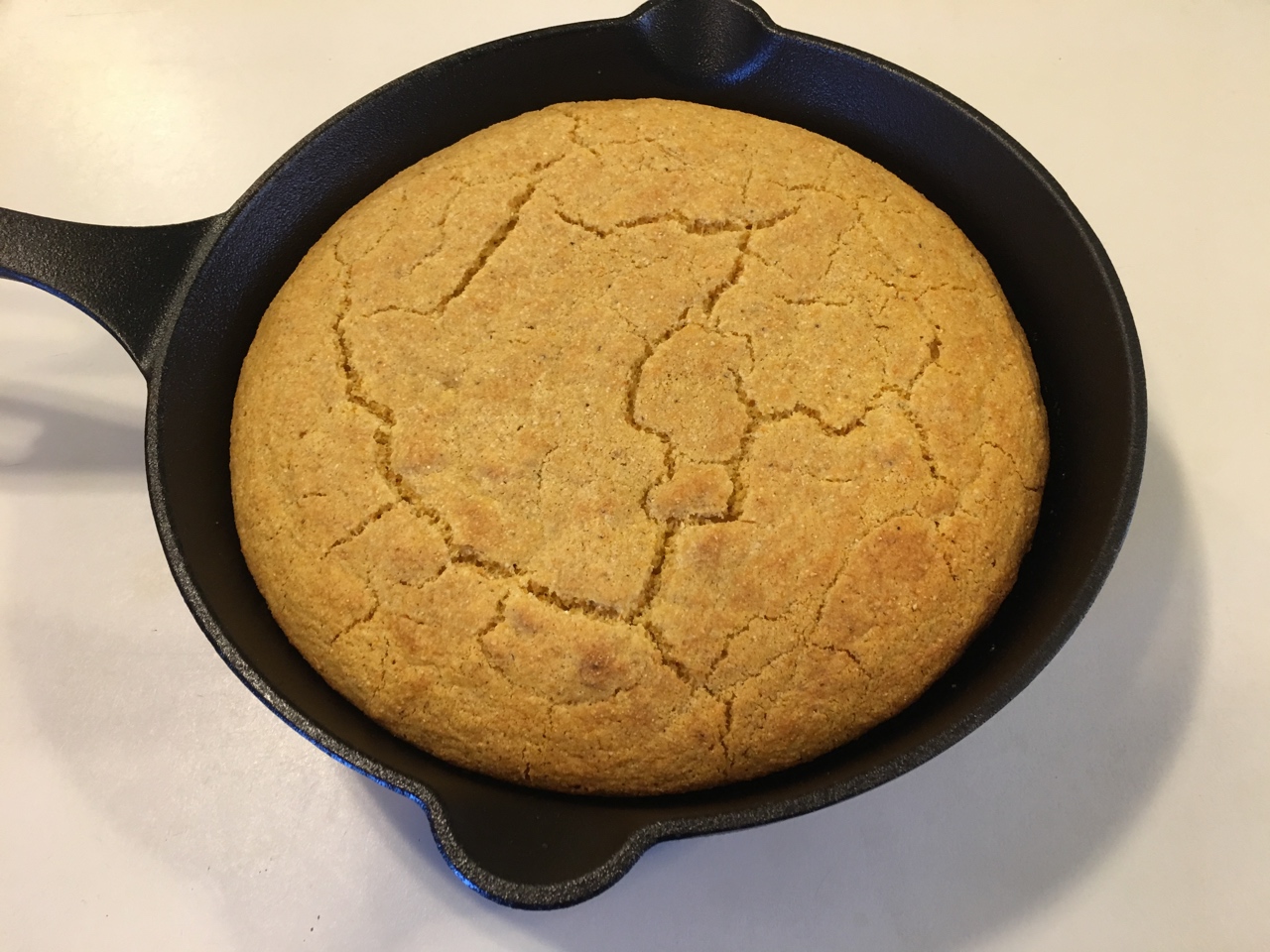
Cooking in cast iron is a completely different experience than cooking in other types of cookware, and we know we’re not alone in our admiration. We love cornbread, and our go-to recipe uses 7 ingredients, no flour (just cornmeal – we use locally-sourced, non-GMO, white or yellow cornmeal), and it incorporates the wonderful flavor of lard. There are different (and often regional) versions of cornbread, but we’re of the opinion that cornbread doesn’t include flour or sugar – that’s a corncake. Continue reading “Cast Iron Cooking: Easy Appalachian-Style Cornbread”

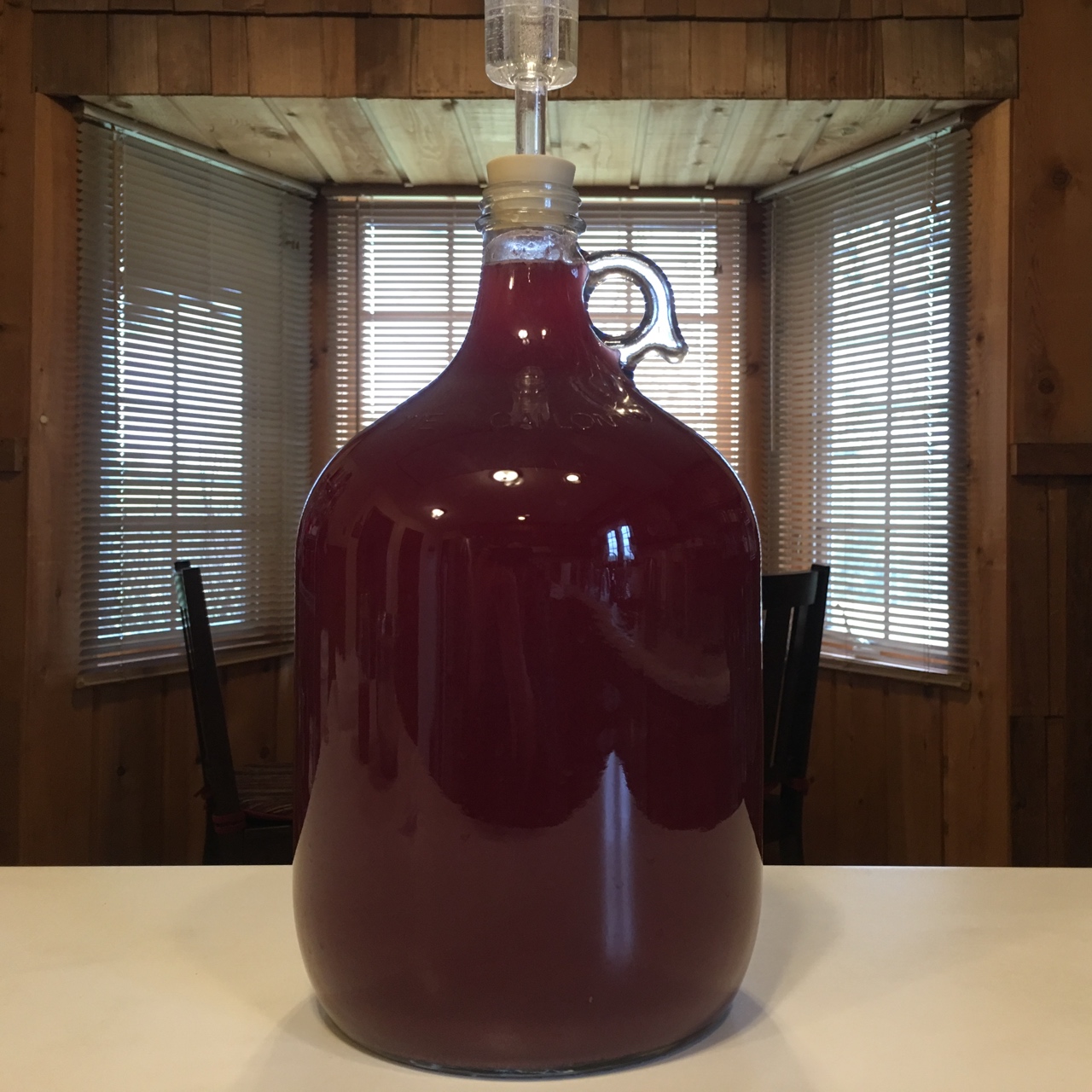
Wine Chronicles: Skeeter Pee (Lemon Juice Wine)

2018-03-03_SkeeterPee-01

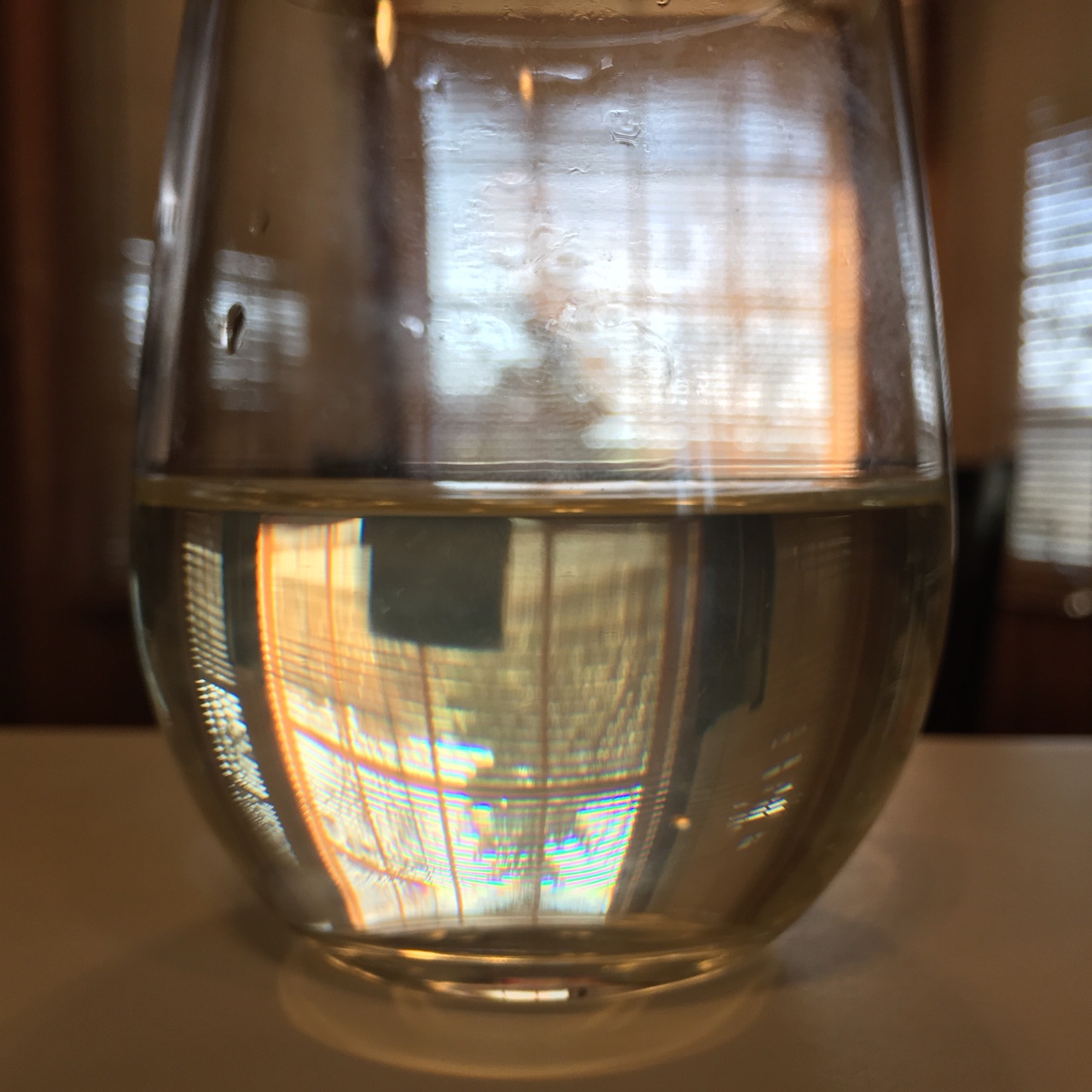
A couple of months ago, we found ourselves with 3 glass bottles of lemon juice in the fridge: several of the rabbit tractor water bottles had frozen overnight due to unseasonably cold temperatures and had split along seams, rendering them leaky and useless. The bottles that the lemon juice came in were the right size for replacements, and the metal spouts from the original water bottles were a perfect fit. Leaky bottle problem solved…but what to do with the lemon juice that the bottles formerly contained? Continue reading “Wine Chronicles: Skeeter Pee (Lemon Juice Wine)”

Cast Iron Chronicles: Expensive (or New) Isn’t Necessarily Better

Cast Iron Skillets
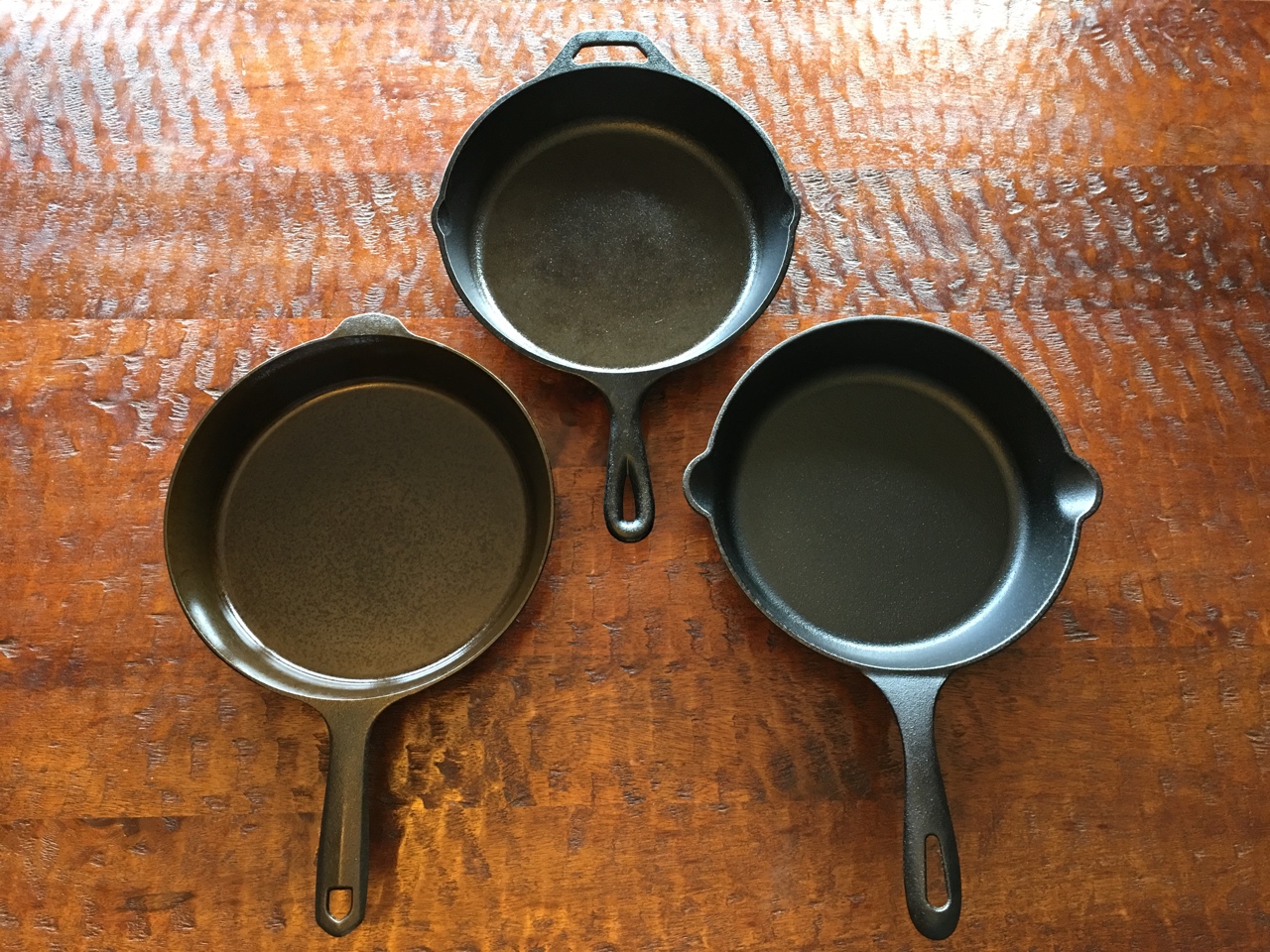
Field Company (left), Lodge (center), and Victoria (right) cast iron skillets

Back in June of last year, we told you about how we’d ordered a couple of cast iron skillets from the new Field Company and were excited to discover for ourselves if they were superior to our existing stock. To our chagrin, we found that the “pre-seasoned” skillets rapidly lost their non-stick properties, despite using good amounts of fat when cooking, and soon, everything was sticking to the pans. In addition, unlike our other cast iron cookware (we use primarily Lodge, but have recently added a Victoria skillet to the lineup), the Field Skillet began to show a weird section on the bottom of the pan that appeared strangely smooth and discolored. The pans also heated very unevenly, despite being allowed to come up to temperature for 15-20 minutes prior to cooking in them. Continue reading “Cast Iron Chronicles: Expensive (or New) Isn’t Necessarily Better”

Bilbemel Update: Blueberry Mead (Melomel)

2018-02-28_MelomelUpdate-01

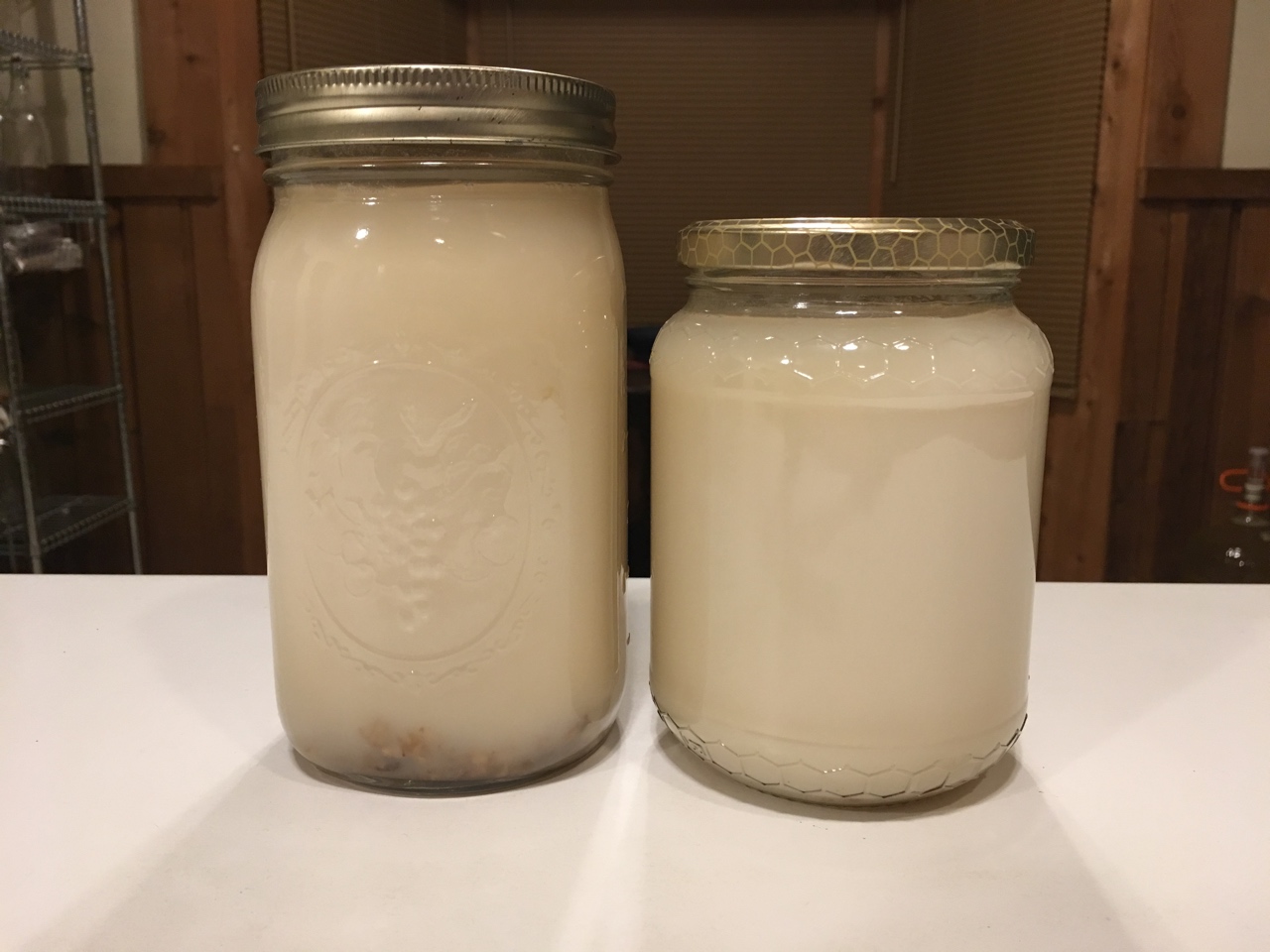
So this was my first foray into the world of wild-fermented mead, and despite using raw honey and adding fruit to try to facilitate the ferment, after four days, there was no detectable activity. Puzzling. Not to worry, though…as a winemaker, I have plenty of yeast on hand, so I added a little slurry from a previously-made berry wine’s lees. I keep the slurry in the refrigerator to extend its life, so it took a while to come up to room temperature in the primary fermentor; when it did, though, it looked the way I expected: bubbly.

Continue reading “Bilbemel Update: Blueberry Mead (Melomel)”

Transformed By Homesteading

2018-02-27_Transformed_by_Homesteading

Our farming journey began with the realization that we couldn’t get the food we wanted to eat, raised in the way we wanted, without doing it ourselves. Previously, we did much of our food shopping at farmer’s markets, food co-ops, and natural food stores, which were easily accessed when we lived on the west coast and, briefly, the upper midwest. We find these sources less common where we live now, but that may ultimately prove to be a positive because it’s pushed us to grow our own. Continue reading “Transformed By Homesteading”