
Transformed By Homesteading

2018-02-27_Transformed_by_Homesteading

Our farming journey began with the realization that we couldn’t get the food we wanted to eat, raised in the way we wanted, without doing it ourselves. Previously, we did much of our food shopping at farmer’s markets, food co-ops, and natural food stores, which were easily accessed when we lived on the west coast and, briefly, the upper midwest. We find these sources less common where we live now, but that may ultimately prove to be a positive because it’s pushed us to grow our own. Continue reading “Transformed By Homesteading”
Cast Iron Is Non-Stick Cookware…Seriously

2018-02-26_CastIronNonStick-01

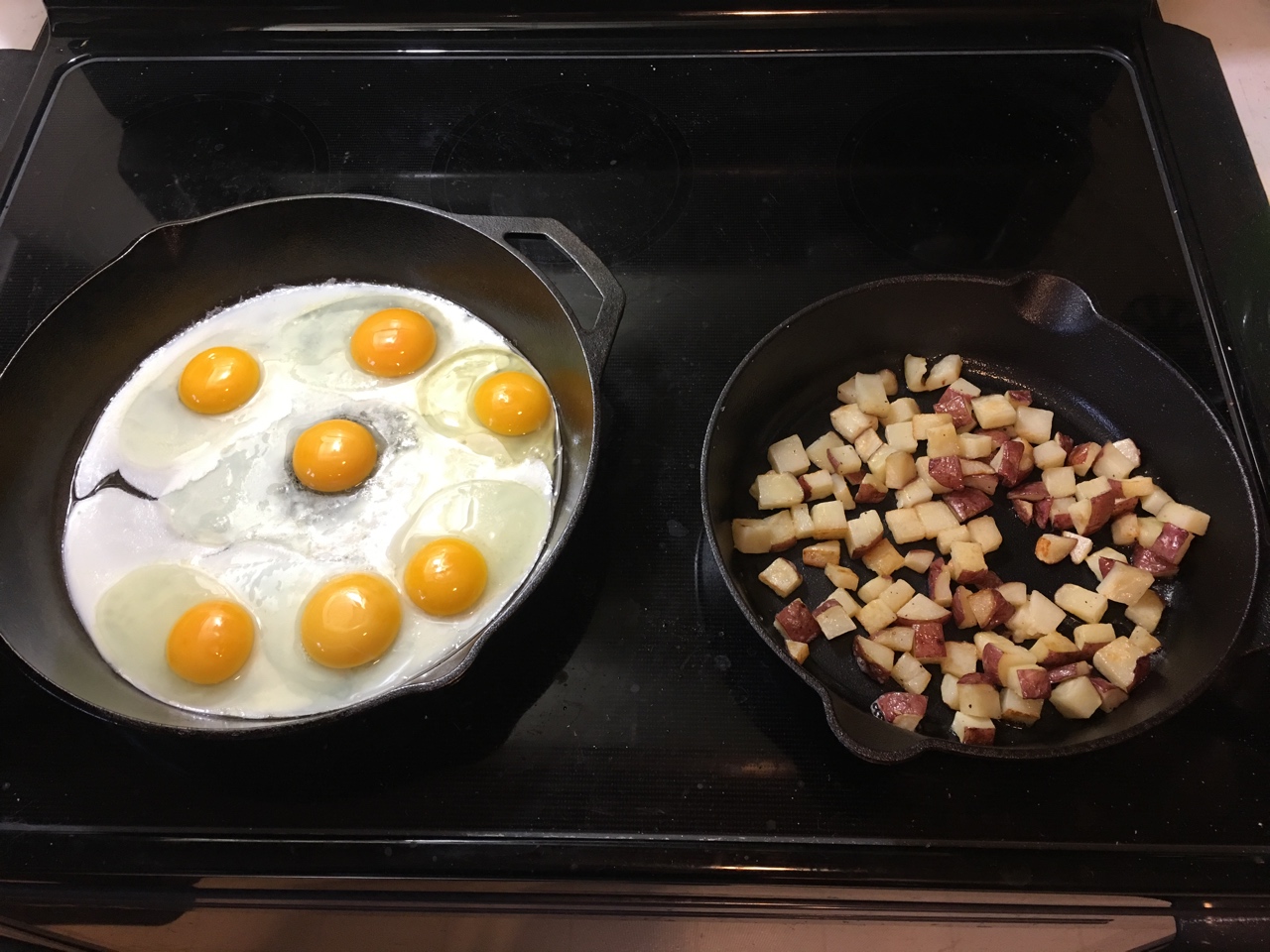
When you think of cast iron, do you think of a huge black cauldron weighing a hundred pounds? Or a 10-pound frying pan? Yes, it’s heavy, but it’s also a superb piece of cookware, once properly “seasoned”.

Cast iron becomes non-stick after it’s been seasoned, which is a process that basically converts oil into a polymerized coating through heating.

Continue reading “Cast Iron Is Non-Stick Cookware…Seriously”

Chick Fever: Choosing An Incubator

2018-02-24_Choosing_an_Incubator-01

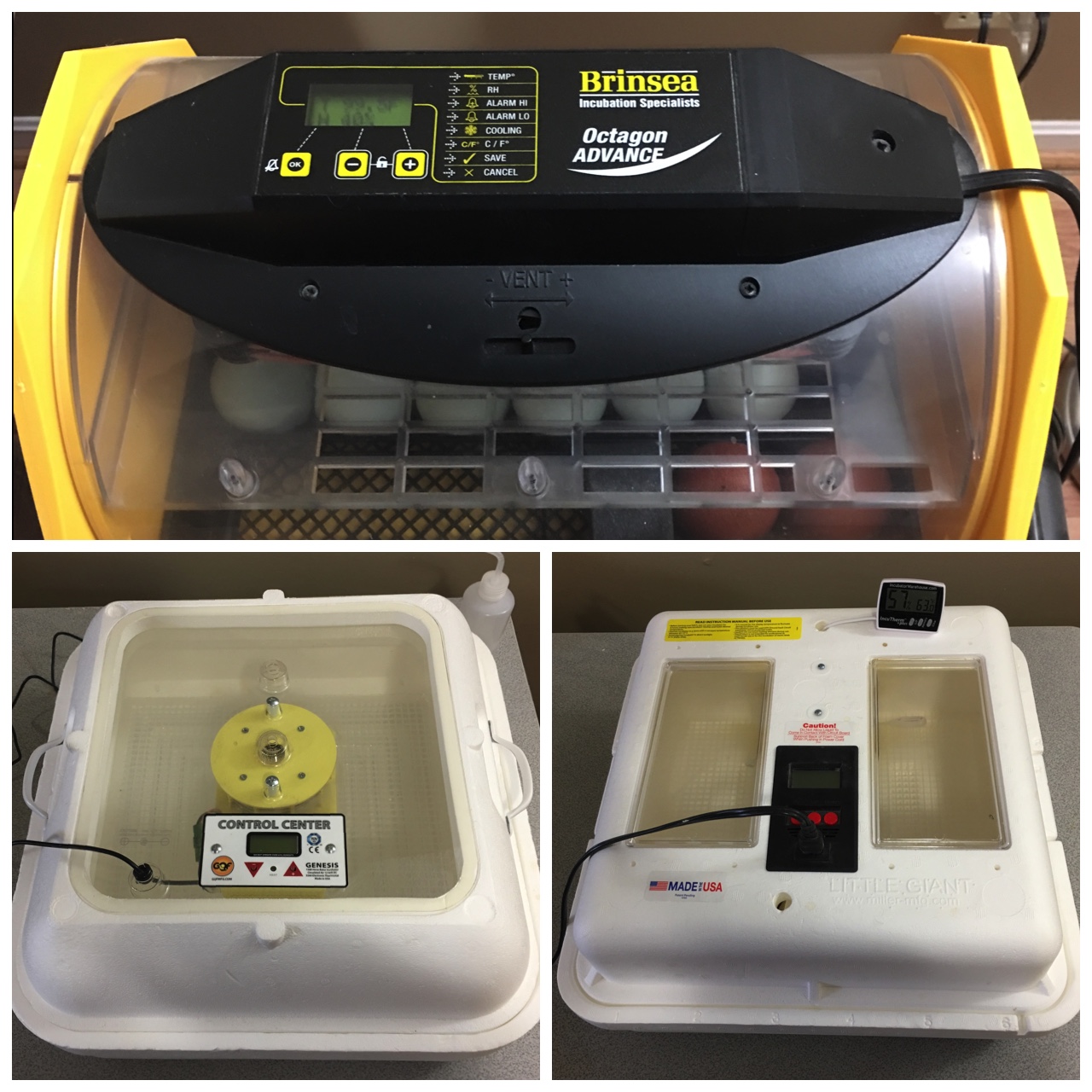
It’s that time of year again – the fowl are laying and that means there are chicks, keets, ducklings, and goslings to be hatched! One of the most important aspects of hatching your own eggs without the help of a broody hen or duck is having a reliable incubator. But where do you start when looking for an incubator?

Before you buy one, I highly recommend considering your goals, using questions like these as your guide in your analysis:

  • Do you have a price range?
  • How many eggs do you want to hatch at a time?
  • Do you want to be very hands on or more hands off?
  • Are you planning on staggering hatches?
  • What kind of eggs are you planning to incubate?
  • How important is ease of cleaning to you?

Continue reading “Chick Fever: Choosing An Incubator”

Silver Fox Rabbits: First-Time Moms

2018-02-23_Rabbits-01

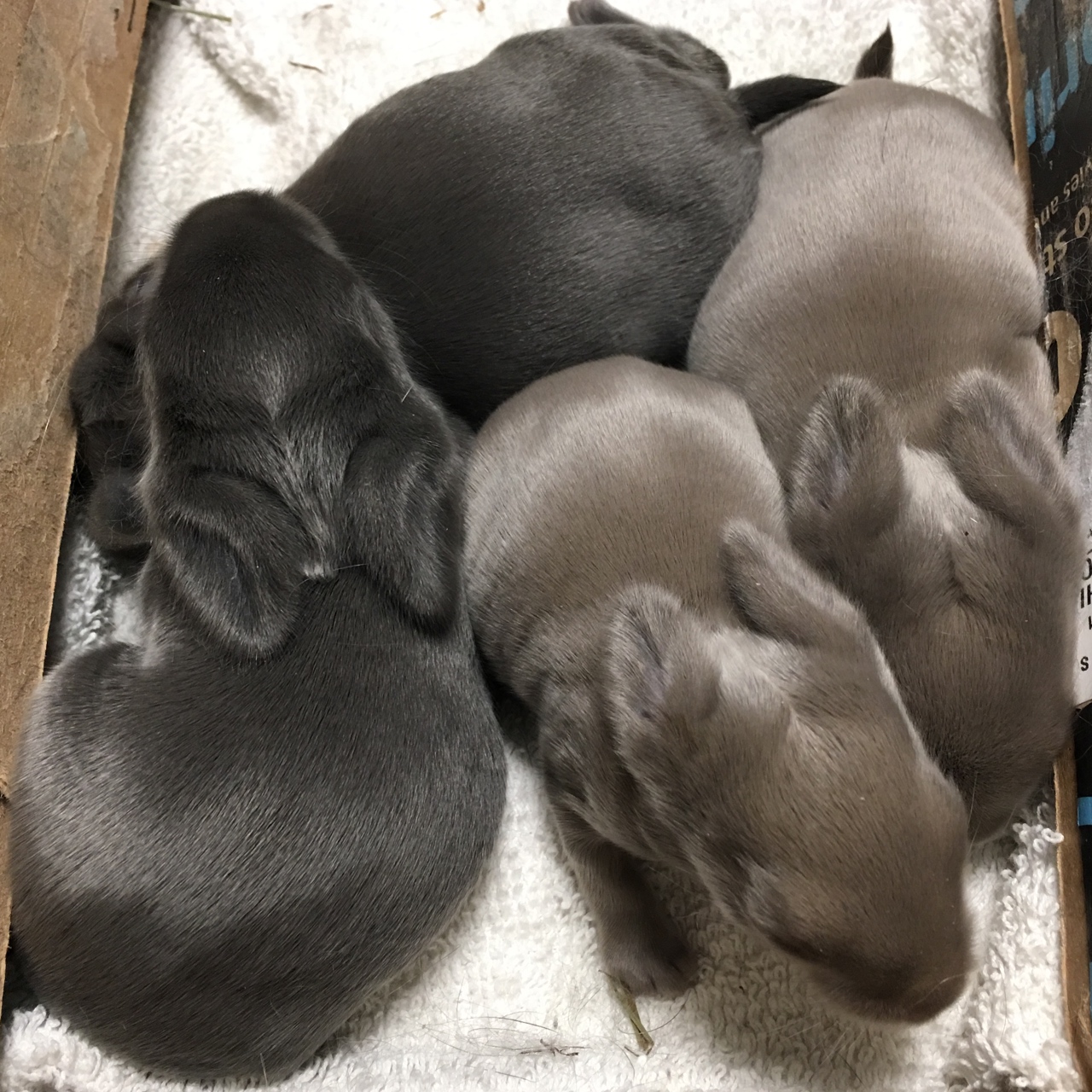
Exciting goings-on here at the farm: we have a group of five blue Silver Fox rabbit does that have either kindled or are expected to kindle their first litters soon!

One sweet doe, Sarah, kindled her first litter on 2/13. Sarah is a particularly friendly girl, likely due in part to an injury she suffered to her leg when she was a young kit: even though there is “baby saver” wire on the floors and up the sides of the kindling cages (our does are brought inside to kindle), she somehow got her foot stuck through the wire and twisted in a way that trapped it. As you can imagine, she was panicked and pulled frantically, causing a laceration all the way around her “ankle”.

Continue reading “Silver Fox Rabbits: First-Time Moms”

Fermentation Experiment: Orange Rinds

2018-02-22_OrangeRind-01

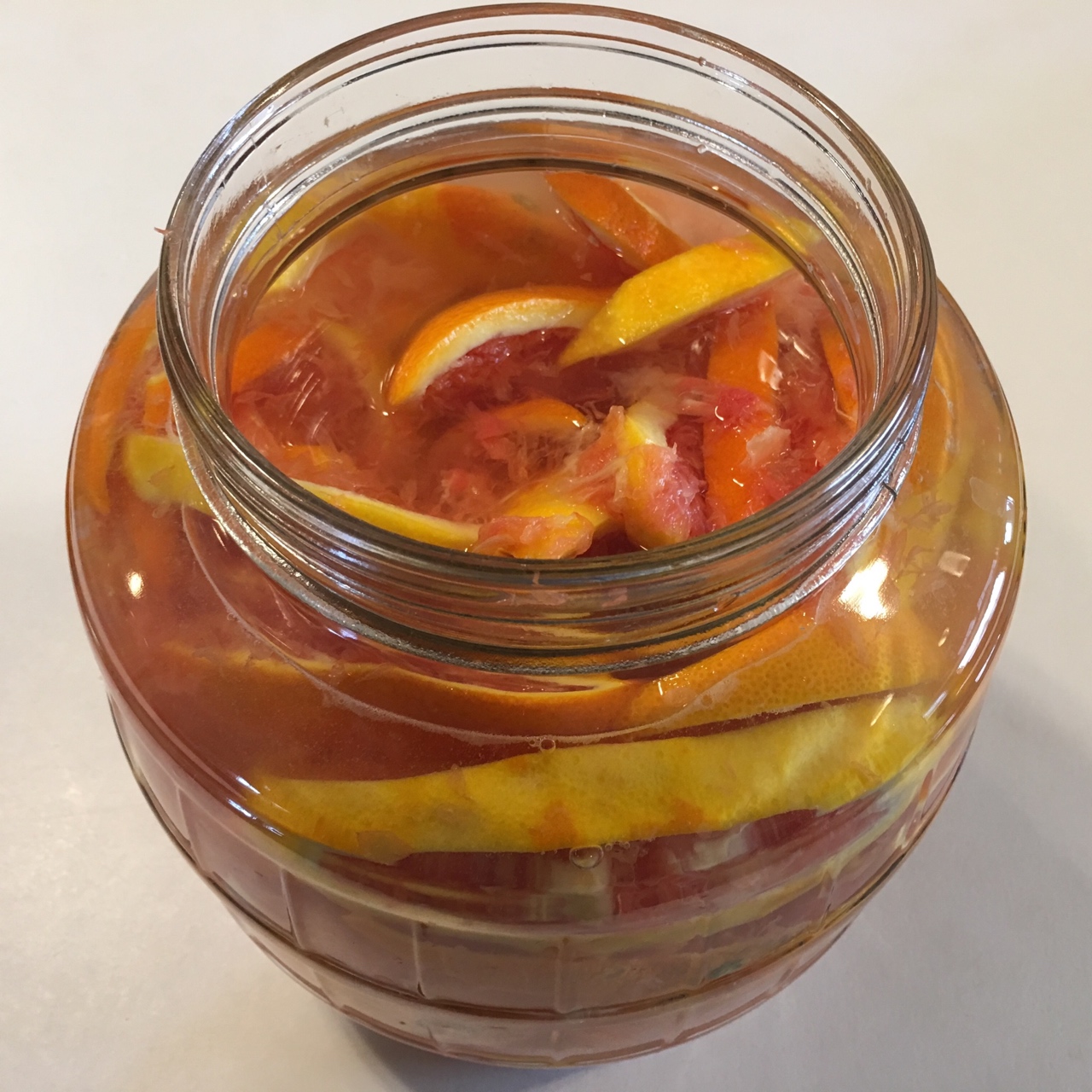
I recently posted about making wine from Cara Cara oranges, but what about the byproducts of that winemaking? After all those oranges were reamed for the wine (and a couple zested for the peel), there were a lot of leftover rinds with pulp and juice still clinging to them. A favorite wild-fermented beverage, Tepache, came to mind…why not try a similar ferment with the leftover orange rinds? Continue reading “Fermentation Experiment: Orange Rinds”

Managing Ferments: Cold-Fermenting Milk Kefir

2018-02-21_Milk_Kefir-01

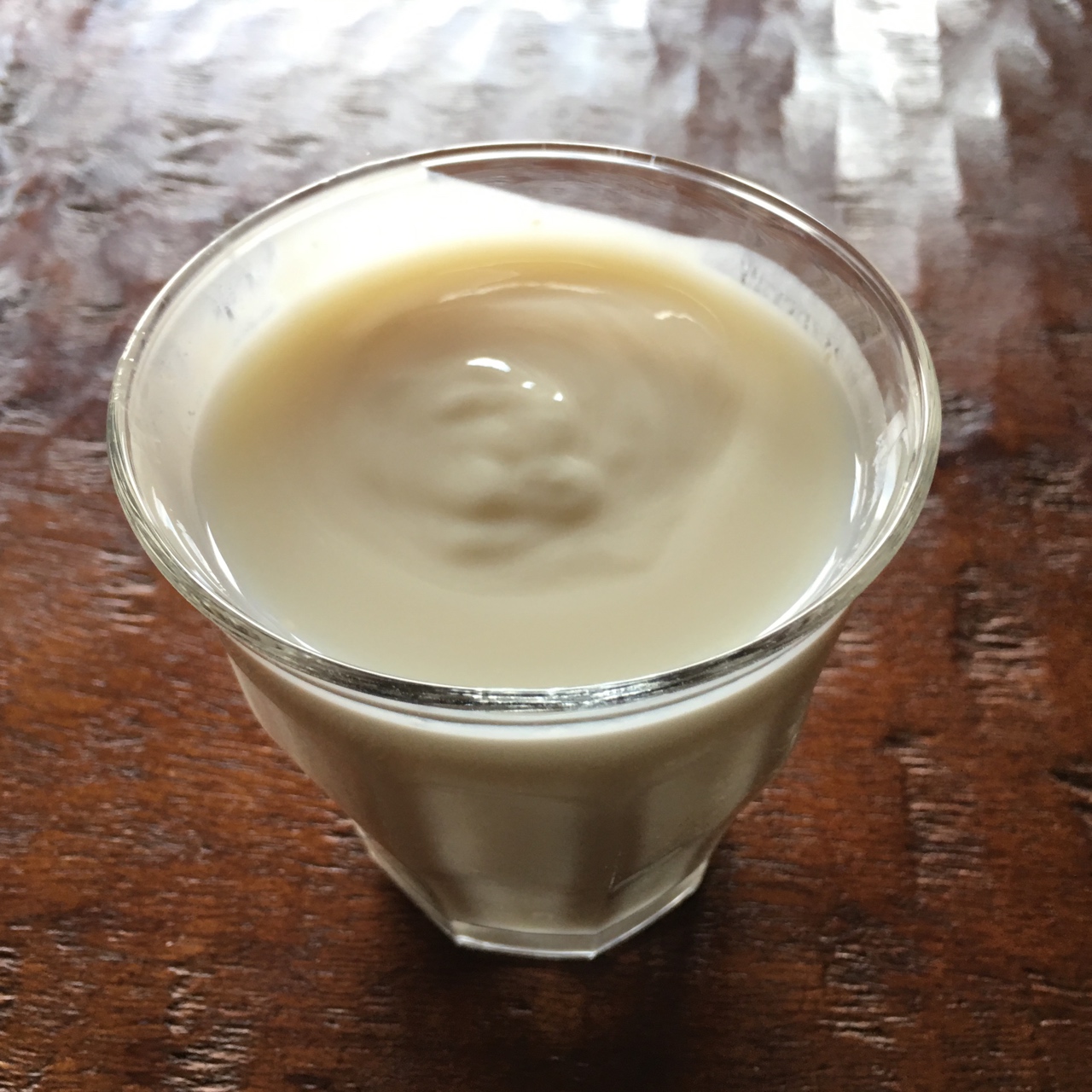
Perhaps you’ve heard of milk kefir? It’s a mesophilic culture that eats milk sugar (lactose) to produce a delicious, creamy cultured beverage that’s full of probiotic goodness. What’s mesophilic? It just means that the culture works best at a moderate temperature, like room temperature. Yogurt, on the other hand, is a thermophilic culture, meaning that it needs higher temperatures to work properly – which is why the milk is used in yogurt is heated. While milk kefir may look and taste somewhat similar to yogurt, I believe that the ease in making milk kefir gives it a major advantage over making yogurt. In addition, I’ve found that cold fermenting it can produce a wonderful product that’s superior to room-temperature culturing and that will allow you to keep milk kefir production manageable. Continue reading “Managing Ferments: Cold-Fermenting Milk Kefir”