Farm To Table: From A Few Doors Down Is Really Local

Farm To Table

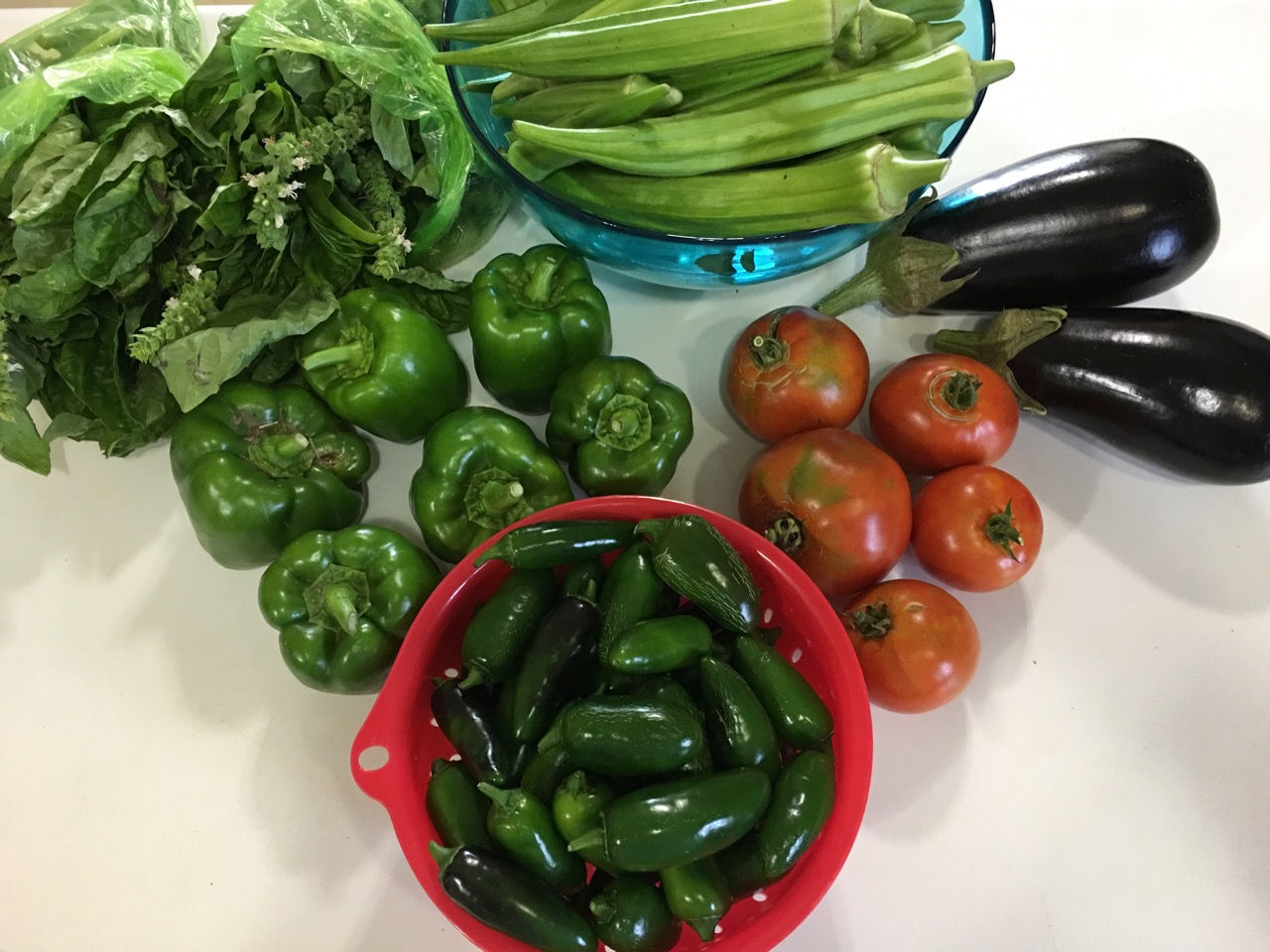
We have yet to get our raised garden beds in, and the summer’s waning…but we’re lucky to have a nice neighbor on our road who is also a Master Gardener. She grows all kinds of wonderful vegetables and fruit, and generously shares her harvest with others.

We recently picked lots of blackberries, which we made into many bottles of delicious and beautiful blackberry water kefir, as well as blackberry milk kefir and blackberry-infused kombucha tea.

Continue reading “Farm To Table: From A Few Doors Down Is Really Local”
Cast Iron Chronicles: Field Skillet Update

Field Skillet Update

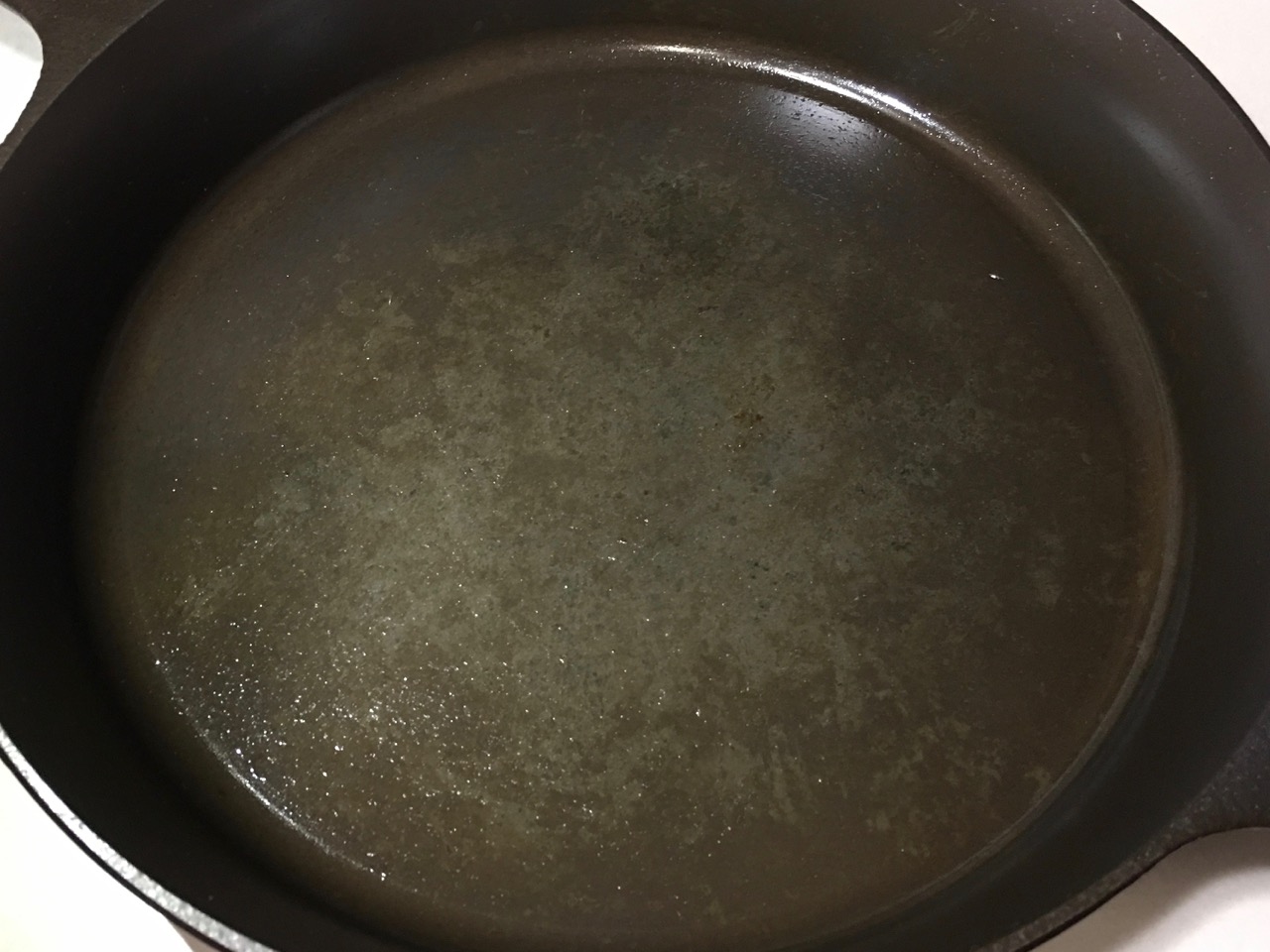
Since we’ve had the new skillets for a couple of weeks now, we wanted to share some initial impressions. While the skillets are definitely lighter than the “standard” cast iron we’ve been using, we’ve noticed that the seasoning (these come pre-seasoned) seems to be wearing off prematurely.

As with all cast iron, cooking appropriately greasy food in it immediately after seasoning is important. We cooked good and fatty food, including frying potatoes in lard and browning pork and beef, in it multiple times. When we moved to frying eggs (again, in plenty of lard), they starting sticking to the pan – nooo!!! As you can see from the photos, there is a section in the center of the pan that shows what appears to be wear-through. Continue reading “Cast Iron Chronicles: Field Skillet Update”

Cast Iron Chronicles: The Field Skillets Have Arrived!

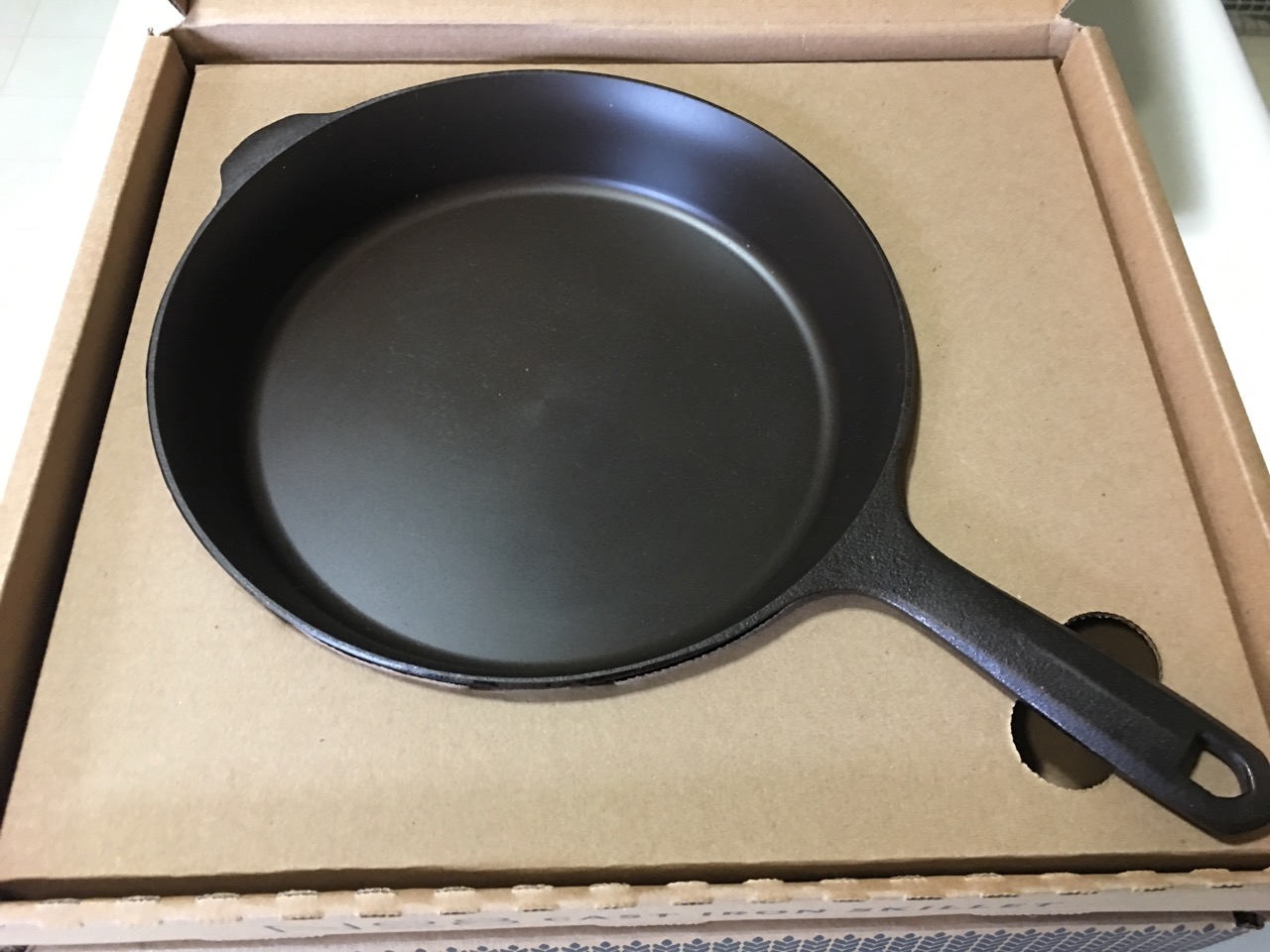
Field Skillet Packaging

It’s like Christmas (in June) here: the eagerly-awaited Field Skillets arrived today…in a surprisingly light box!

In an earlier post, we shared why we were looking forward to receiving the new cast iron pans. Now that we have them, we intend to put them to the test and see if they live up to the hype. Here’s what we’ve noticed upon opening the box and taking them out: Continue reading “Cast Iron Chronicles: The Field Skillets Have Arrived!”

Winter’s Day Project: Seasoning Cast Iron

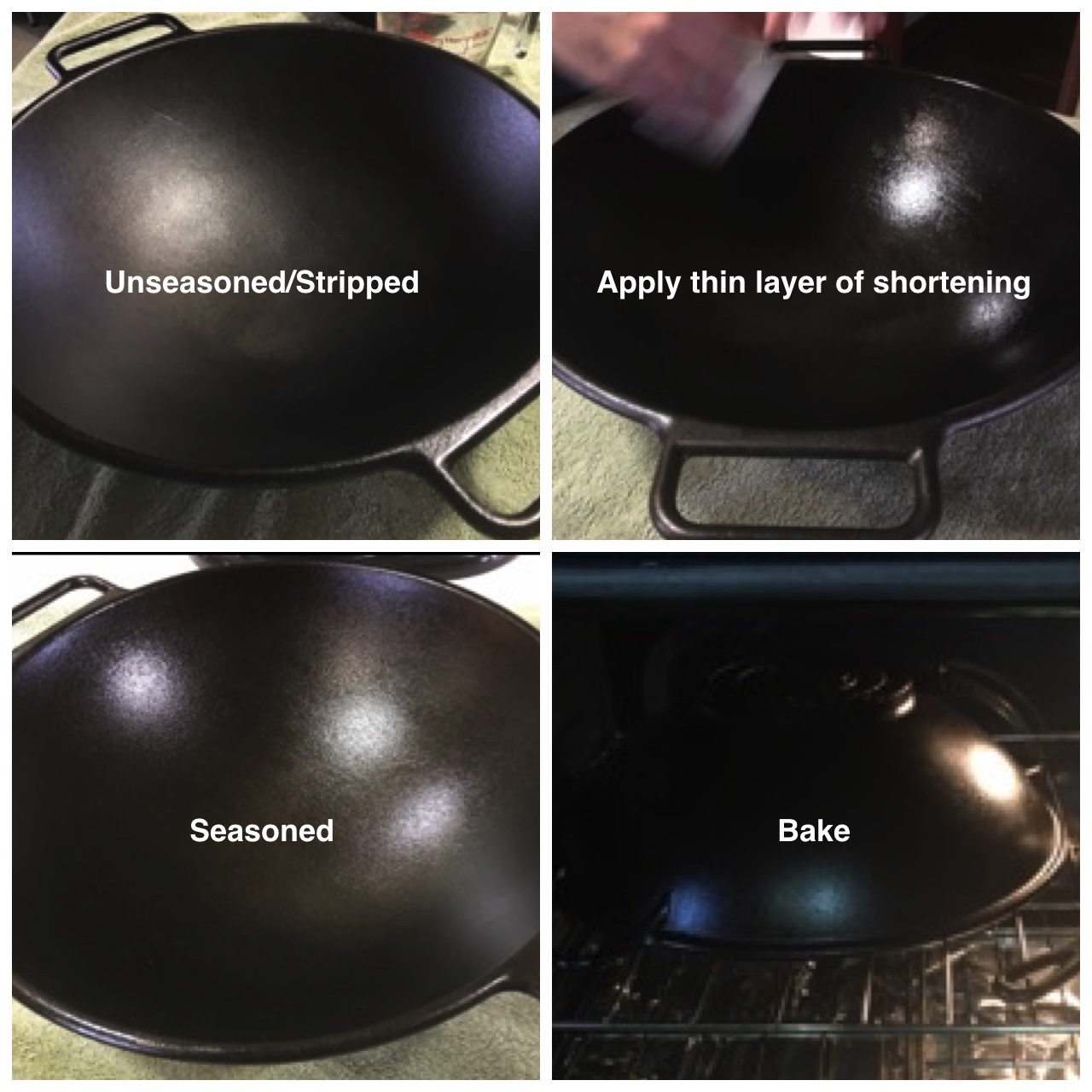
2017-01-27_CastIronSeasoning

Yesterday, we dug out some cast iron cookware that has been languishing in storage for many moons. It’s made several cross-country moves with us (and you should see the movers’ faces when they spy the tub labeled “cast iron”). Even though the cookware is pre-seasoned, after spending years in a heavy duty tote, it needed to be spruced up and re-seasoned. We found a reversible grill, a large dutch oven, a couple of small dutch ovens, a big wok, and a small skillet. It really is still Christmas!
Continue reading “Winter’s Day Project: Seasoning Cast Iron”

Baker’s Journal: Sourdough Rye

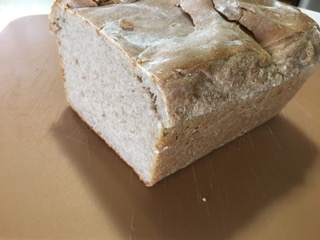
Rye Sourdough Bread LoafWe like to buy local, so we’re fortunate to have a flour mill within an hour’s drive of our farm (and, as an added bonus, it’s in a postcard-worthy setting). We recently picked up some flour for our sourdough, as well as a bag of rye flour and a bag of white cornmeal. Today, we used some of the rye flour to replace the wheat flour in our sourdough bread. Was it scientific? No. But keep reading to see how it came out.
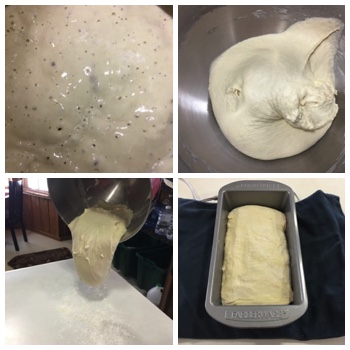
When we first starting making sourdough, the loaves came out rather brick-like, very dense, suitable to be used as pavers or wheel chocks. Ok, they weren’t that bad, but they weren’t lofty, either. Since then, with each iteration, the bread has improved, and now it’s superb. Our sourdough starter, Audrey, is also very happy and well-established, a critical part of making a good sourdough. Continue reading “Baker’s Journal: Sourdough Rye”

What’s Better Than Homemade Bread? (not much)

Sourdough Break MakingOne of our favorite ferments is our recently-resurrected sourdough starter. It began as a dry powder, but with consistent feedings, has become a reliable producer of delicious sourdough loaves – no yeast needed!

Making a loaf starts with mixing the starter, which should be bubbly and sour-smelling, with water, salt and flour. The stand mixer does a marvelous job of creating the right elasticity, and once properly mixed, the dough is poured out onto a floured surface to be shaped into a loaf. After filling the loaf pan, the dough is covered and left to rise. With the cold temperatures, we find that letting it rise on a heating pad on the low setting really helps. Continue reading “What’s Better Than Homemade Bread? (not much)”