
What’s mud-brown, about 3 inches long, has pinching claws and a lot of attitude? A creature we found in the grass this morning!
Self-taught farmers confidently raising chickens, ducks, geese, and pigs. Our focus is on practices that are environmentally harmonious and respectful to our livestock. We appreciate the beauty around us, clean eating, fermenting, and responsibly utilizing the bounty of the land. If you like thinking for yourself, continuous learning, and connecting with the homesteader lifestyle, check us out.
What’s mud-brown, about 3 inches long, has pinching claws and a lot of attitude? A creature we found in the grass this morning!
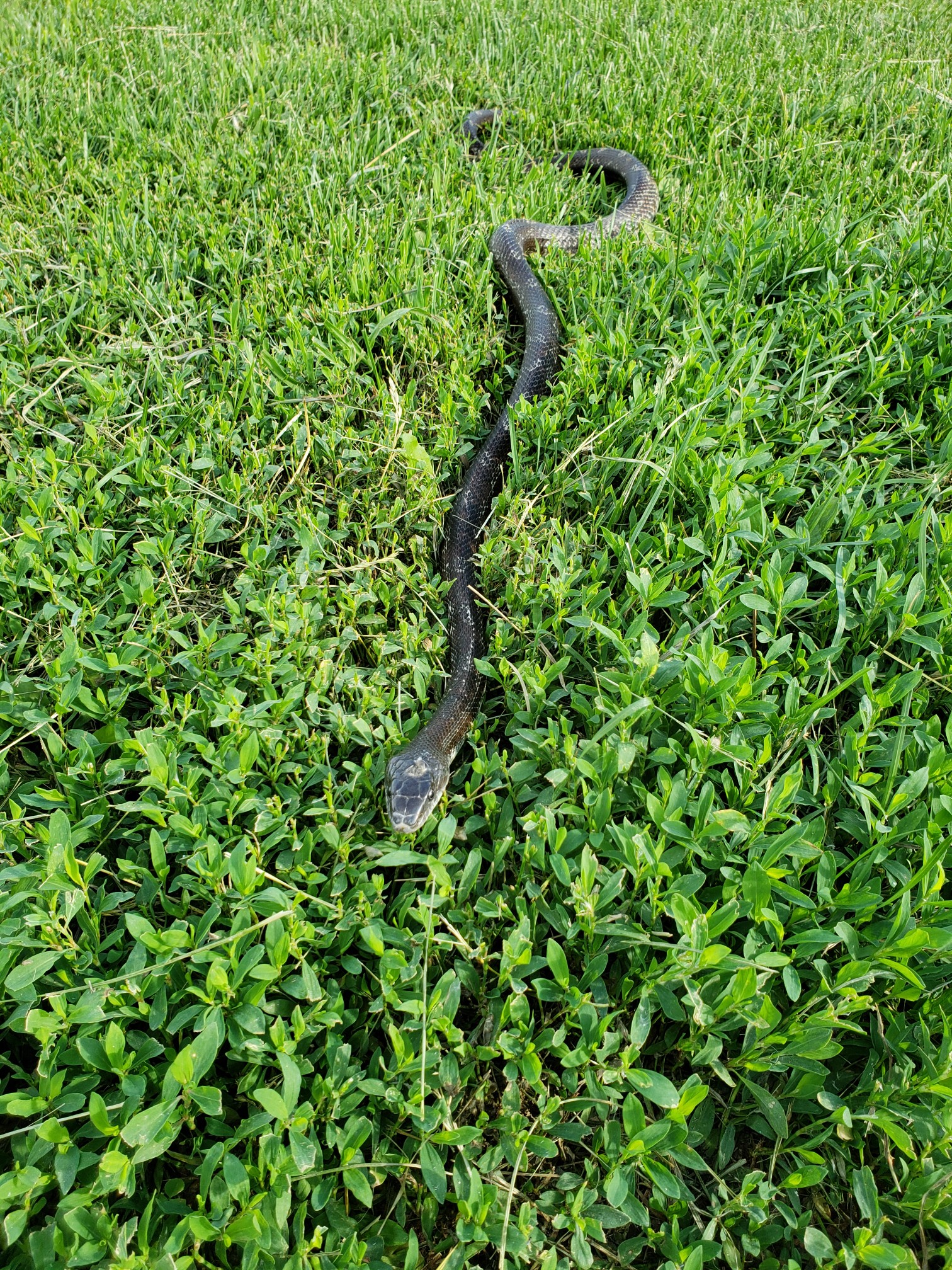
Though not often seen, snakes are also (wild) denizens of the farm. Today, we encountered two!
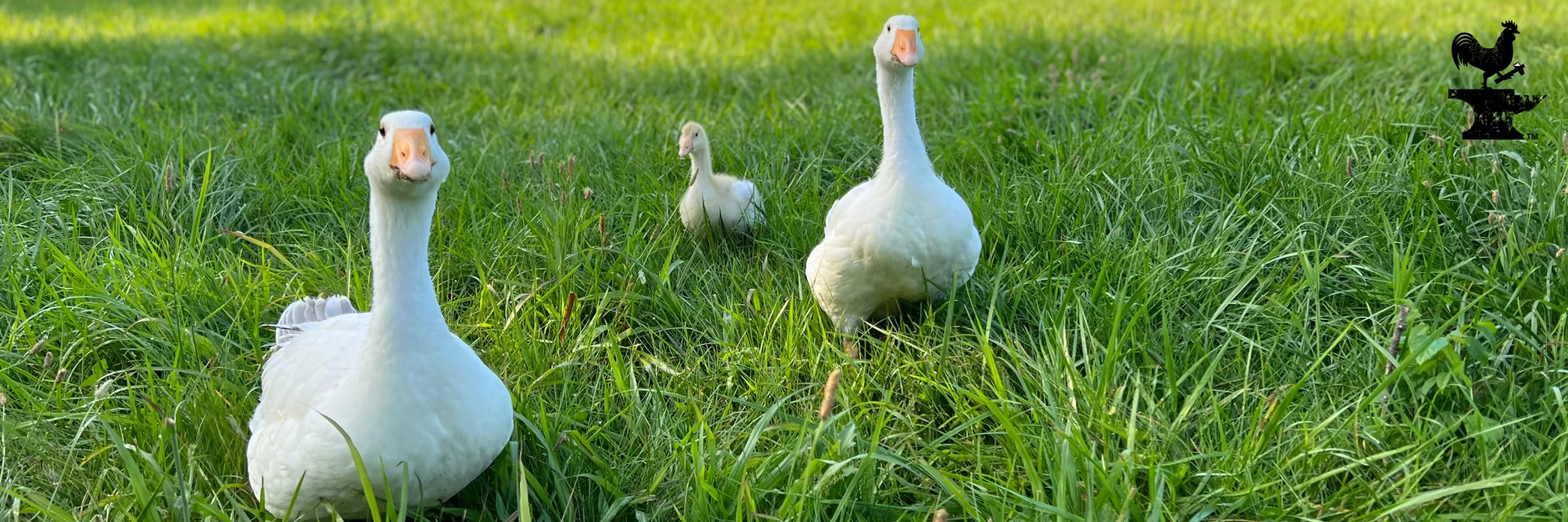
The older two goslings are now 7 weeks old, and the younger group of four is 5 weeks old. The older goslings have replaced most of their yellow baby down with snow-white feathers, including wing feathers! The younger ones still look downy, but their wings are longer and less “stub”-like, and their legs have elongated to the point that they look a bit gawky…especially when they run.
Continue reading “Growing Goslings: Real Feathers and Big Feet”
There seem to be new flowers blooming daily – we usually catch the first hint of scent wafting over to us during morning chores. With the hot, sticky weather we’ve been having, the fragrance may even hang over an area like a perfumed cloud, like it did with the black locust flowers. Anything that smells that great merits further investigation!
Continue reading “Farm Foraging: Black Locust Flower Syrup & Infused Oil”
It’s looking very lush and verdant here, thanks to the heat, humidity, and periodic precipitation. Everything is green, the pastures are growing before our eyes, and plants are blooming. While not every bloom smells appealing, most of them are wonderful…and some are surprising! Continue reading “Flowers Everywhere: Blooms Around The Farm”
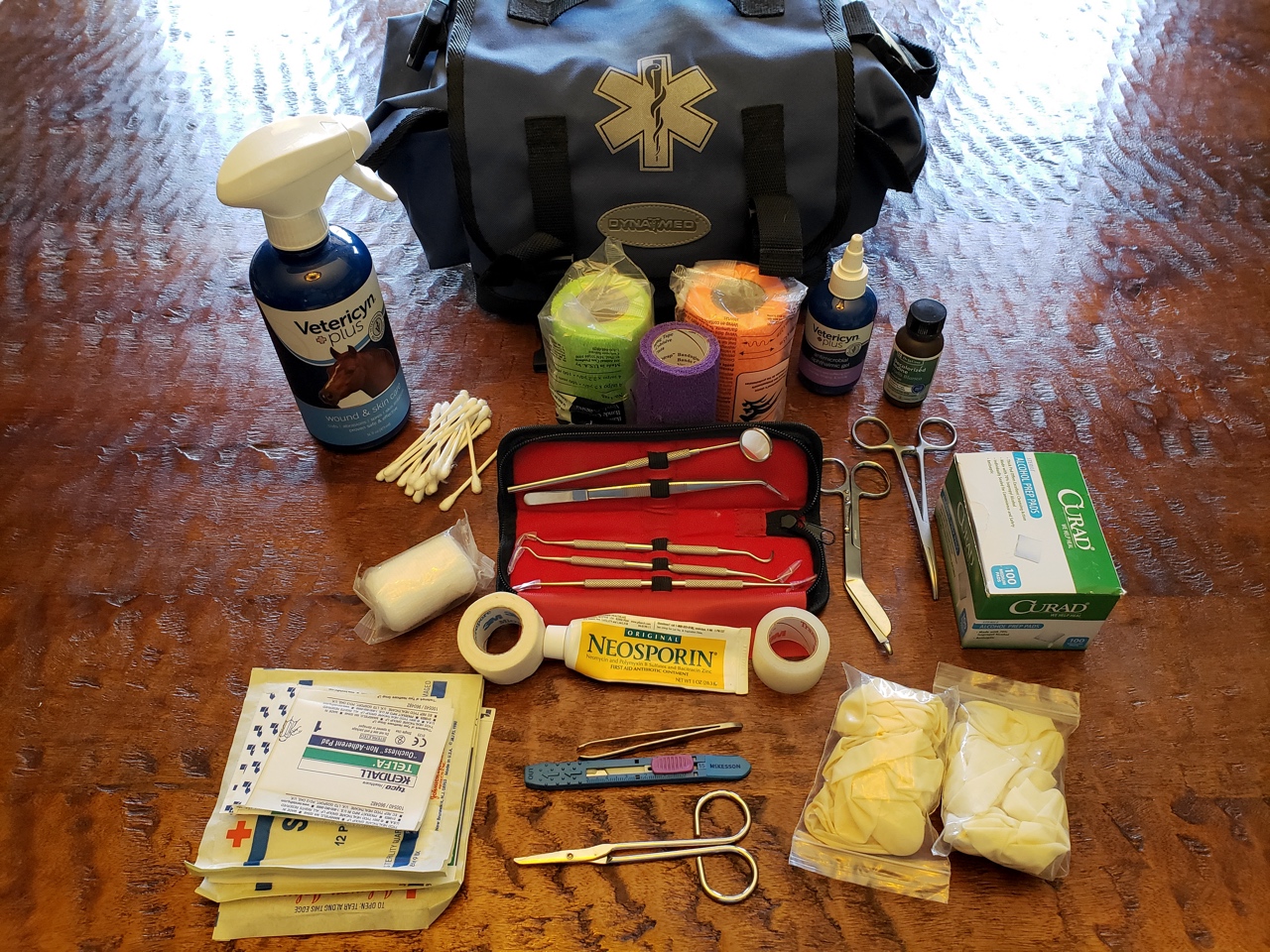
When we went out to do the evening feeding recently, we noticed that a Muscovy duck seemed to be limping as she came up the hill to the feeding area. Limping can indicate a relatively benign injury like a minor sprain or something more serious, like a bumble, so we caught the unhappy girl and took a closer look. What we found was unexpected, and a bit of a shock: her head and bill were bloody. We caught her and put her into a cage in the “infirmary” in the garage for treatment and observation. While you hope that none of your animals ever suffers an injury, in a setting where they free range with the threat of predators, it’s likely that an injury will occur at some point. Continue reading “The Importance Of The Farm (Animal) First Aid Kit”