 When you live in the “country”, rodents are a part of life. If they have the misfortune of making their way indoors, they hit a dead end…literally. Our “trio of terror” (three young black cats, brothers) make short work of intruders. House centipedes don’t stand a chance.
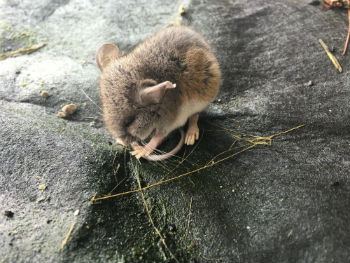
After running an errand, we were surprised when we returned to see a tiny mouse sitting by the door this morning. A very small, very still mouse; it looked like it was meditating. Mice are not usually out in the open, and the neighbor’s (outdoor) cat is adept at killing small animals. Was something wrong with this creature?
Only one way to find out. We donned gloves and set about trying to catch the mouse. Suddenly, it came to life! It jumped around, making it difficult to catch. Finally caught, it was relocated. The ducks and chickens would make a snack of the mouse, so it would do well to stay hidden…and away from where the animals lurk. Hopefully, it warns its friends to stay away.
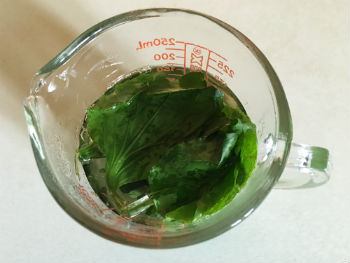
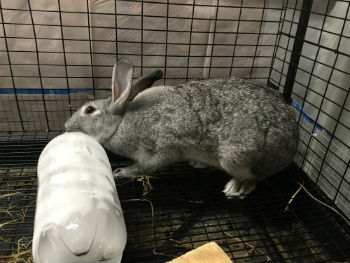 When heat indices near or surpass triple digits – like it has this week – it becomes dangerous for many animals (including farm animals) and stressful for farmers committed to ensuring the health and welfare of their livestock.
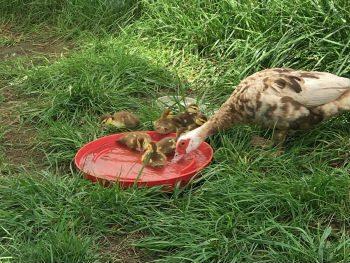 Phoebe’s 8 eggs began hatching on Sunday. Our first clue was an empty eggshell sitting in the main section of the small coop we use for brooding: it had the “freshly hatched from” look, with the dried membrane and reddish tint inside. We tried to peek into the nest box section, but she was having none of that and puffed up so we couldn’t see beneath her.
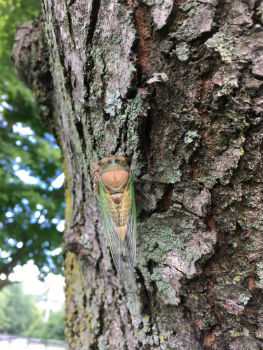 The first time we visited KY was nearly ten years ago, and a memory from that trip that makes us laugh when we recall it involves trying to figure out the source of a weird sound we kept hearing. It was a low, constantly-occurring, almost electrical buzzing, like high-tension power lines. But there weren’t power lines around where we kept hearing it.