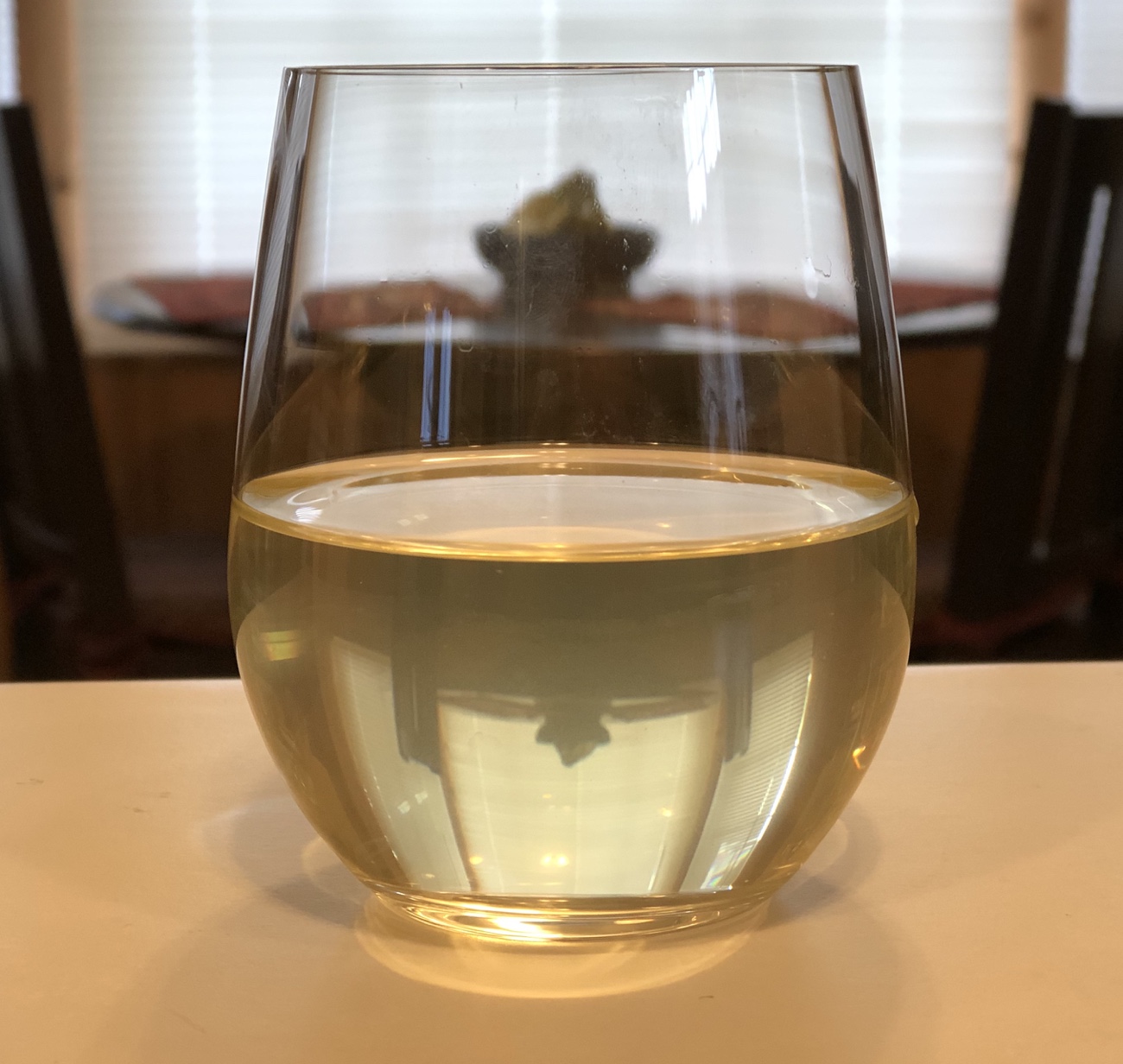
Now that the chickweed wine‘s been bottled, a sampling is a must!
Self-taught farmers confidently raising chickens, ducks, geese, and pigs. Our focus is on practices that are environmentally harmonious and respectful to our livestock. We appreciate the beauty around us, clean eating, fermenting, and responsibly utilizing the bounty of the land. If you like thinking for yourself, continuous learning, and connecting with the homesteader lifestyle, check us out.
Now that the chickweed wine‘s been bottled, a sampling is a must!
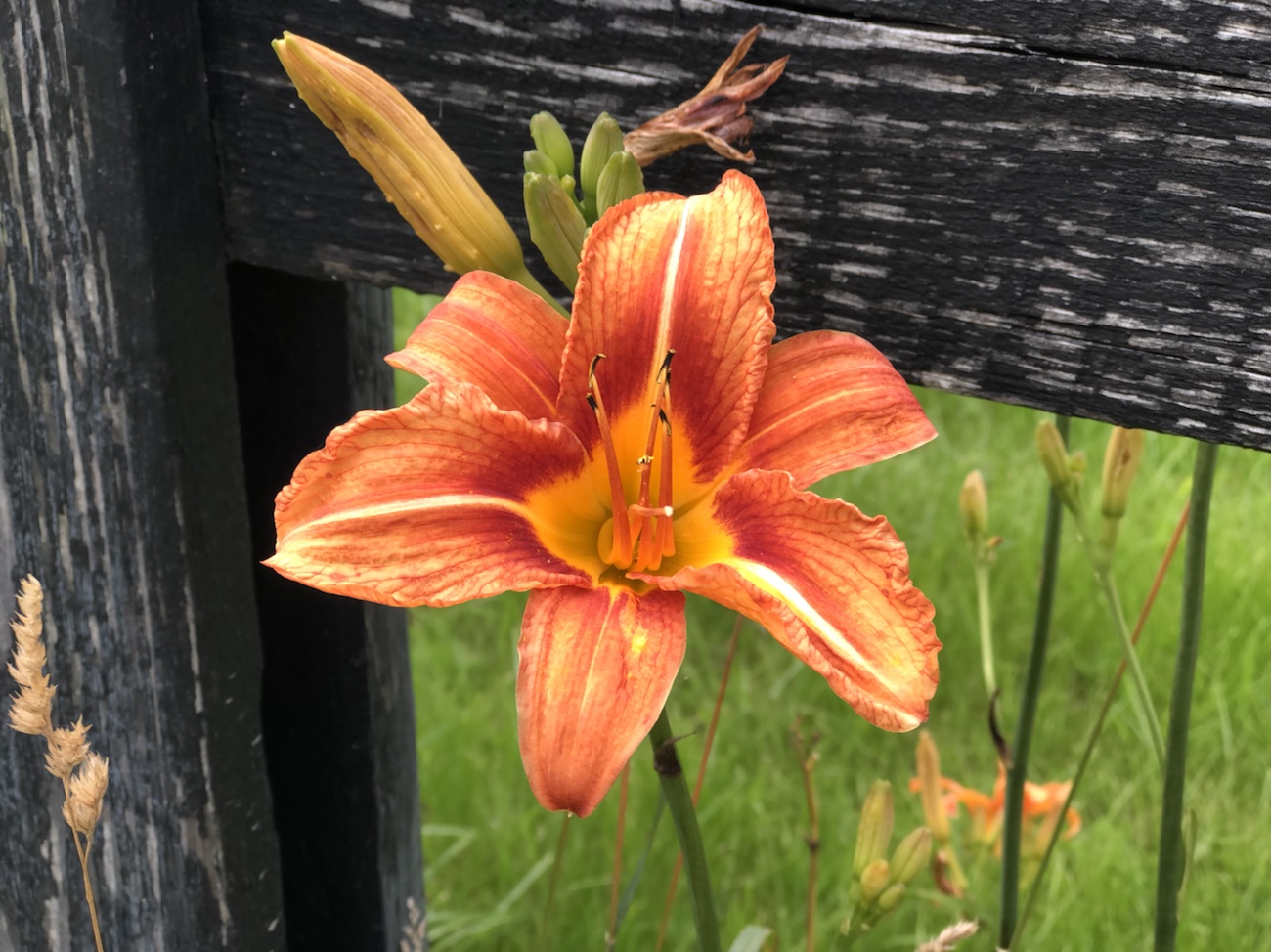
It’s that time of year again: daylilies are blooming. I see them in yards, along the road, and, best of all, growing in several spots on my own property. And those fiery orange blooms are just asking to become a unique country wine!
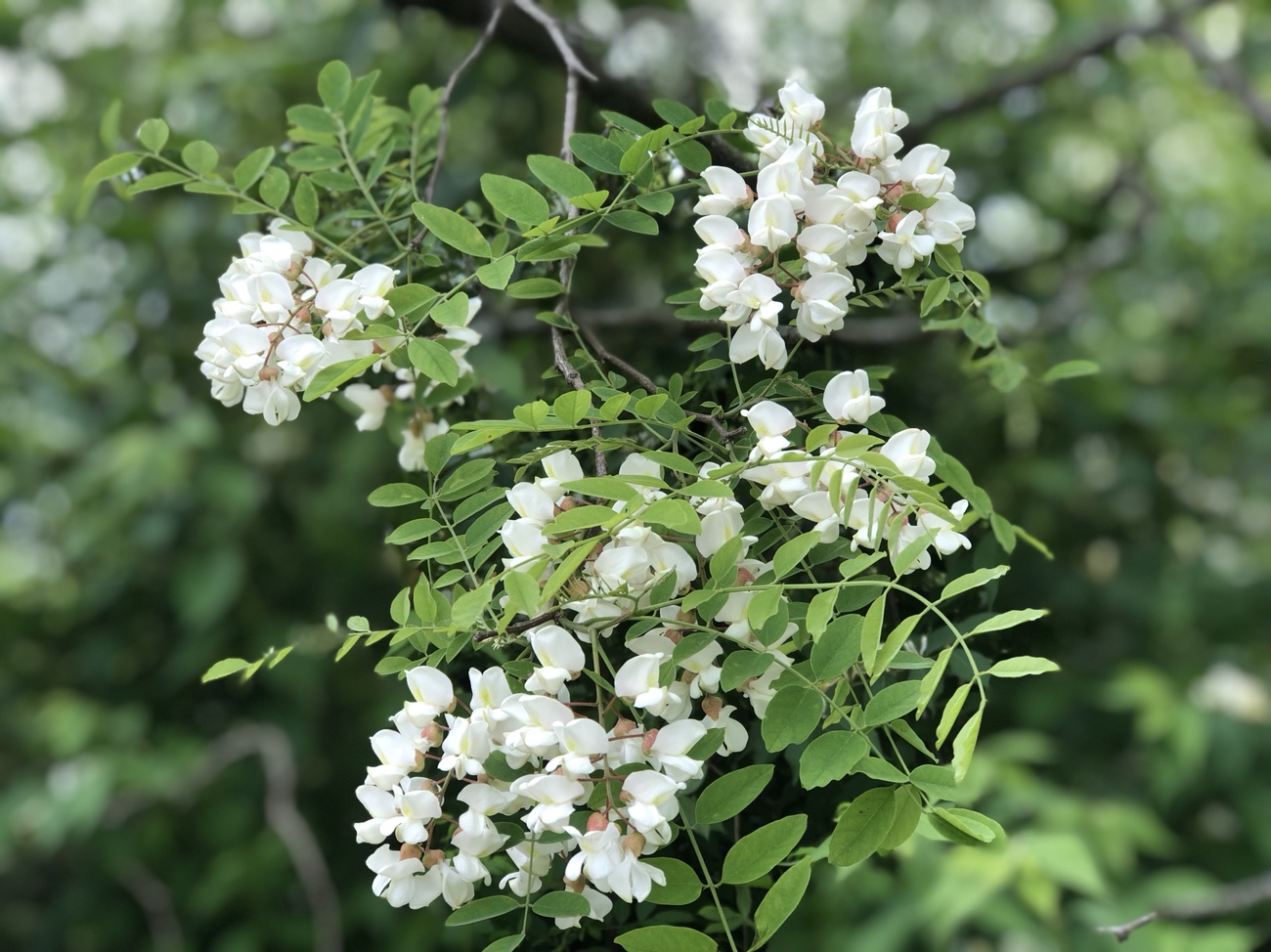
On hot May nights, an enchanting perfume wafts through the still air. What is this alluring fragrance? The sweet scent comes from the creamy blooms of the Black Locust tree. When an edible flower smells that lovely, it surely must make a sensational wine!
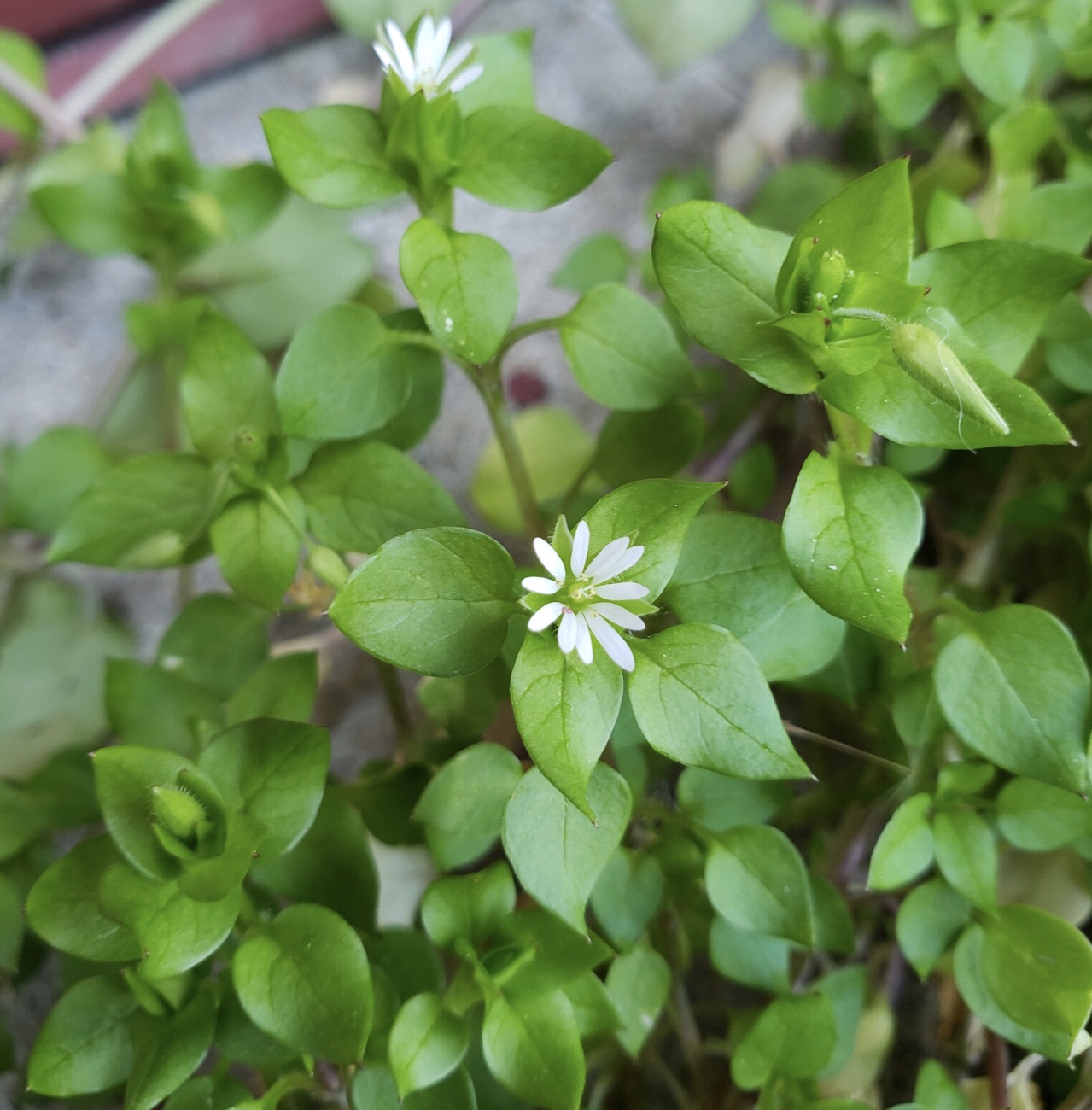
Each year, it seems like a different plant goes gangbusters in the pastures. Two years ago, it was red clover: so plentiful, it seemed like it was everywhere. Sadly, despite my plans to make something delightful with it, last year was a red clover bust. This year, the standout plant is the delicately white-flowered chickweed.
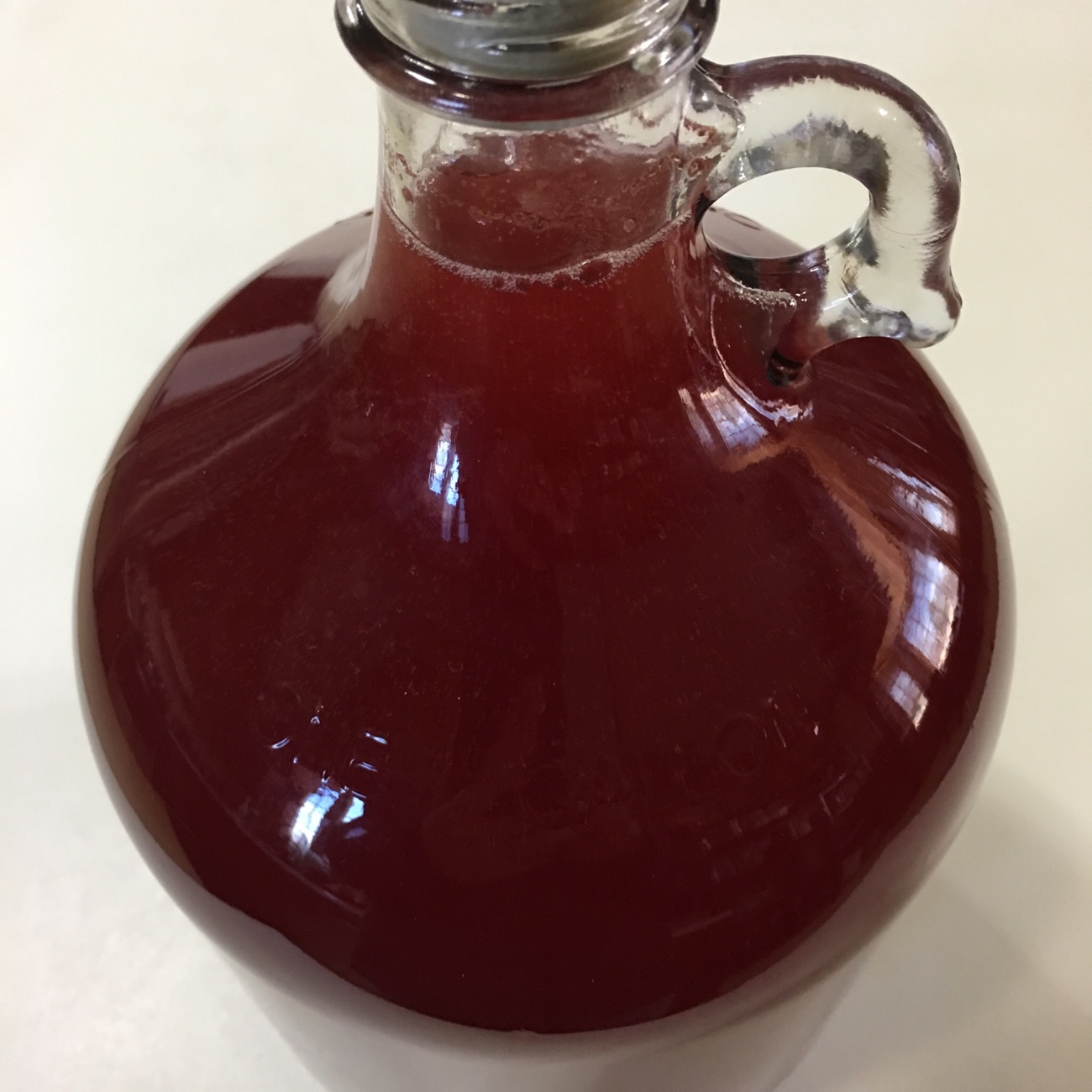
I’m eagerly awaiting the arrival of spring and summer, when foraging finds will become unique and memorable wines. As I’ve waited, I’ve had to entertain myself by finding other kinds of wine to make…and you know I have!
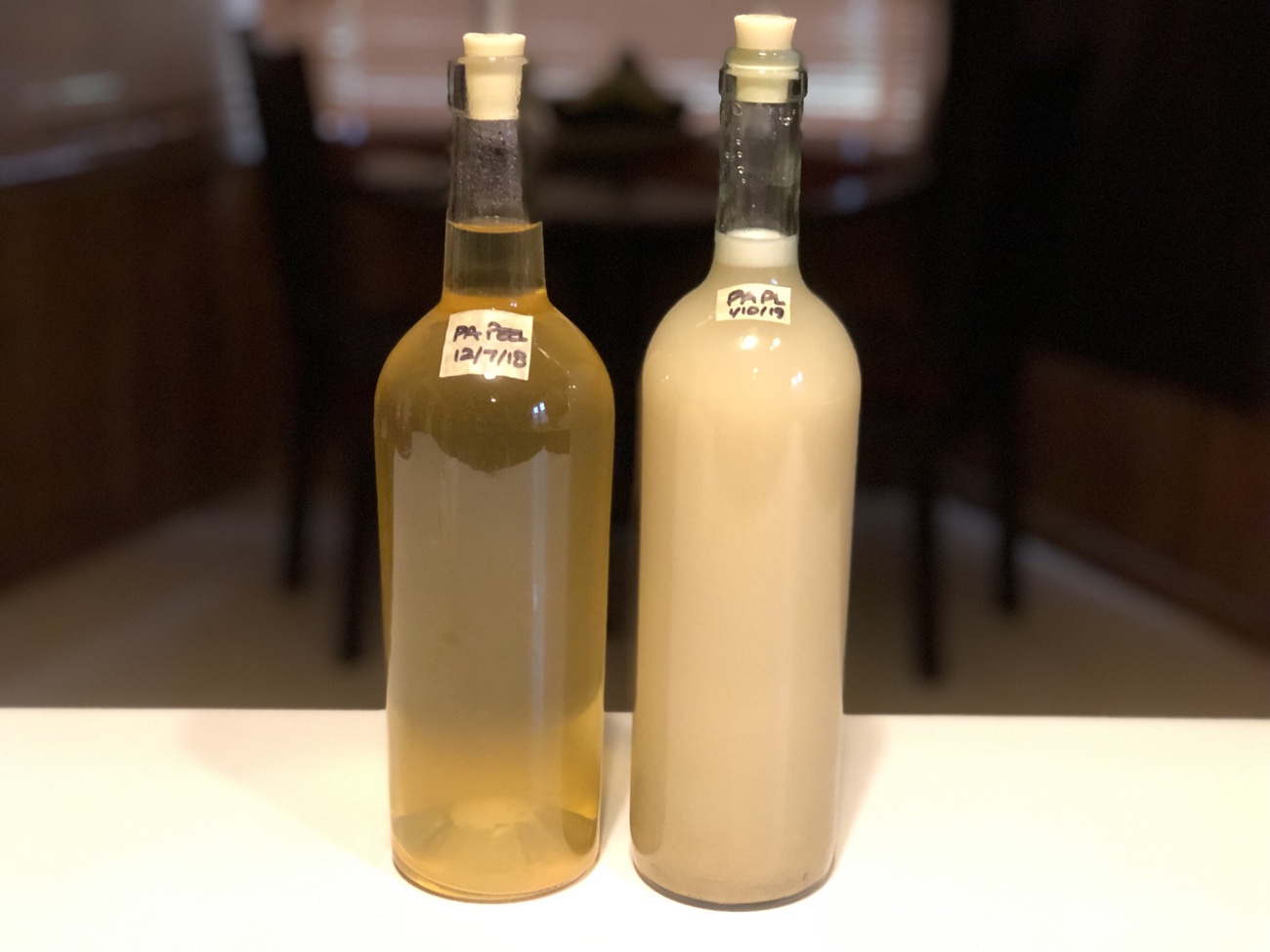
A couple of months ago, I made a batch of pineapple peel wine and added a yeast slurry that just didn’t seem to take off. It had been refrigerated, slowing the activity. Sometimes, sluggish yeast never really takes off, so I grabbed a fresh container of slurry from the shelf and pitched it in. Then I realized that it wasn’t actually wine yeast…it was bread kvas yeast!