Duck Tales: A Sunny Saturday Splash

Duck Tales: A Sunny Saturday Splash

It’s gray, wet, muddy, and generally unpleasant out today, so I’m going to wax nostalgic and recall this weekend’s much nicer weather…

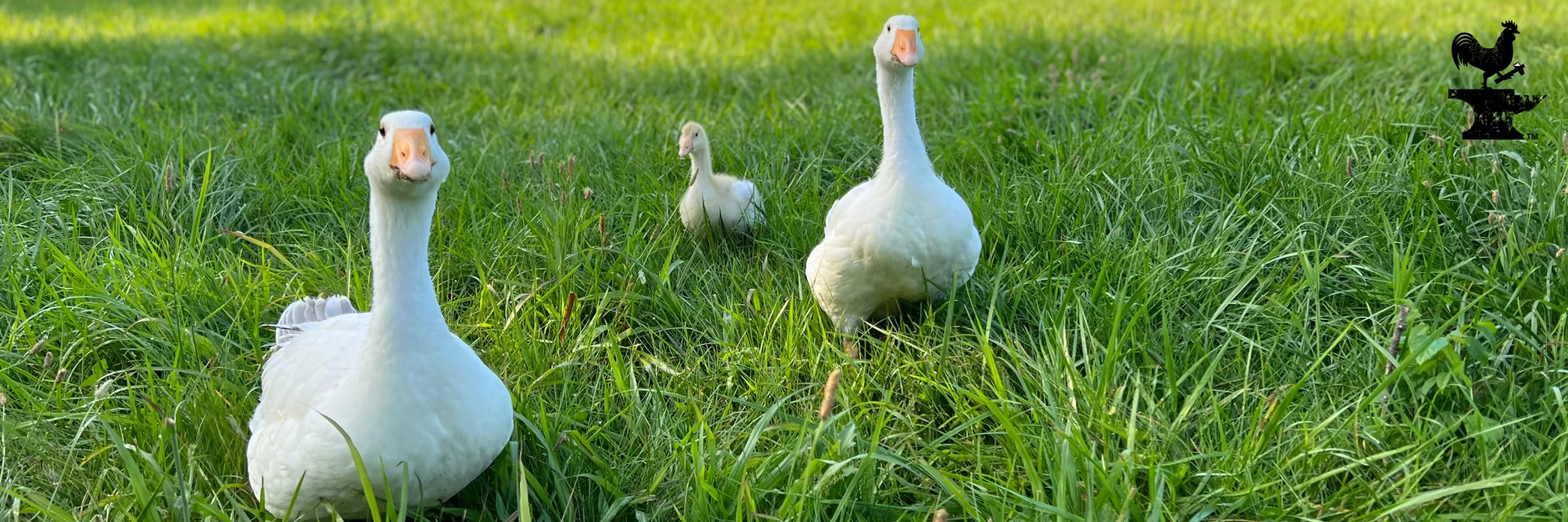
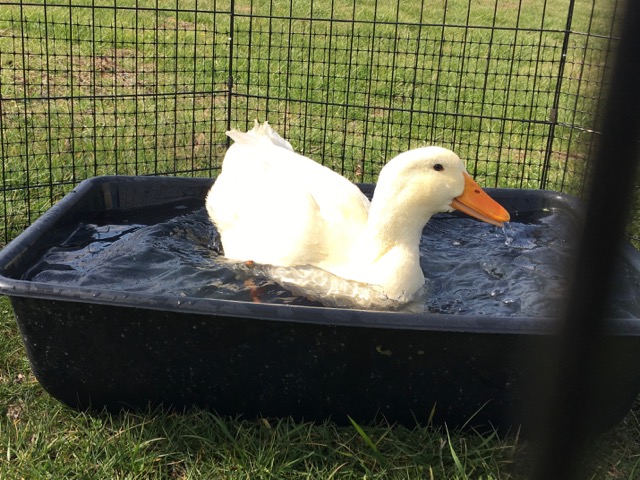
On Saturday, it was 73 degrees outside (in March) and sunny – a good day to fill up a tub and let the biggest water-lover of the bunch, Bob, take a leisurely solo bath. All of the ducks love a bath, but Bob would stay in the water all day, if he could. He’s the first to get into a pool, and the last to get out.

Bob is a Pekin, a large, white, friendly drake. He’s really easy to handle and doesn’t try to slap you around with his wings like our Muscovy drakes do. Pekins are a popular breed and ducklings are commonly sold at feed/farm supply stores – they’re the bright yellow ducklings. Continue reading “Duck Tales: A Sunny Saturday Splash”
Duck Tales: Co-Broodies and a Poopy Shirt

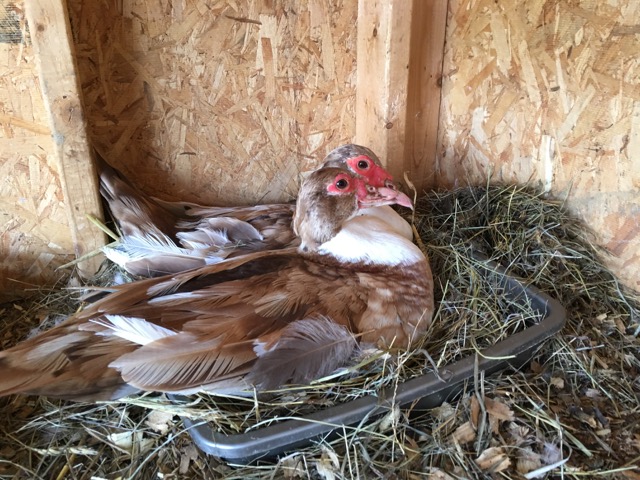
Co-Broodies - 2 Muscovy Ducks on Nest

When you spend time with ducks, you learn not only about their behavior, but also when their coop needs cleaning. A large coop like ours can go weeks between cleanings, but wet weather (and wet ducks) can shorten that timeline. Maintaining a clean and dry coop helps ensure that the ducks stay healthy, so yesterday was cleaning day.

In anticipation of upcoming wet weather, I decided to forego the grass hay we’d been using in the coop. It forms a nice, easily-removed mat from the damp and the poop, but it’s not the most absorbent material. Pine shavings not only absorb moisture really well, they smell nice…a real added bonus. I’m primarily concerned about keeping things relatively dry and clean, especially with regard to the nest boxes. Continue reading “Duck Tales: Co-Broodies and a Poopy Shirt”

Hello Vernal Equinox: Longer Days Mean More Eggs

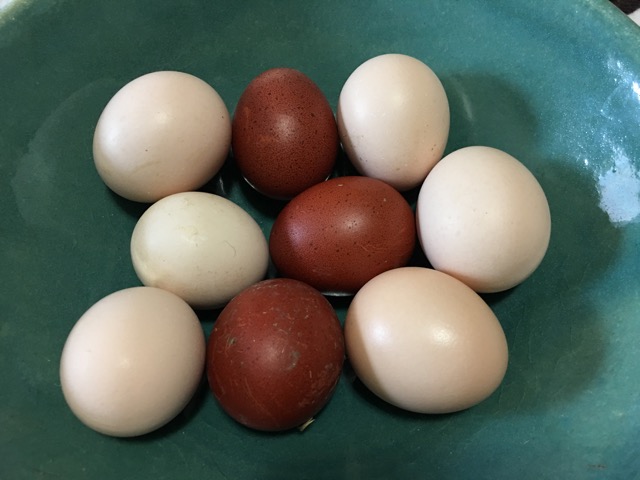
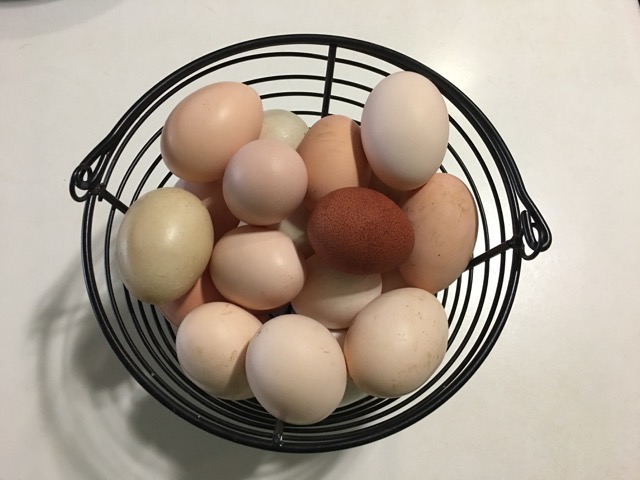
Basket of eggs

Today is the first official day of Spring, even though it’s felt springlike for several weeks (well, except for the recent cold snap). The days are growing longer, meaning there will be more time for the animals to forage. It also means that the chickens and ducks are laying up a storm!

Winter is difficult for farmers in many ways. One of the challenges for those who raise poultry and waterfowl for eggs is the lack of daylight, which can cause egg production to drop dramatically. There are ways to stimulate egg production (like using lights to extend “daylight” hours), but we lean toward letting the animals do what they naturally do, even if that means fewer eggs during the winter.

As you can imagine, it is a joyous occasion when you get that first duck egg after months of no eggs, and it’s also fantastic when chicken egg production doubles or even triples. Our newest layers have also begun laying consistently, so we’re getting lots of pullet eggs, too. In short, it’s an egg extravaganza around here. We even had to buy a much larger egg collection basket to hold all the eggs we’re getting! Continue reading “Hello Vernal Equinox: Longer Days Mean More Eggs”

What We Learned: 2017 Bluegrass Beekeeping School

Bluegrass Beekeeping School

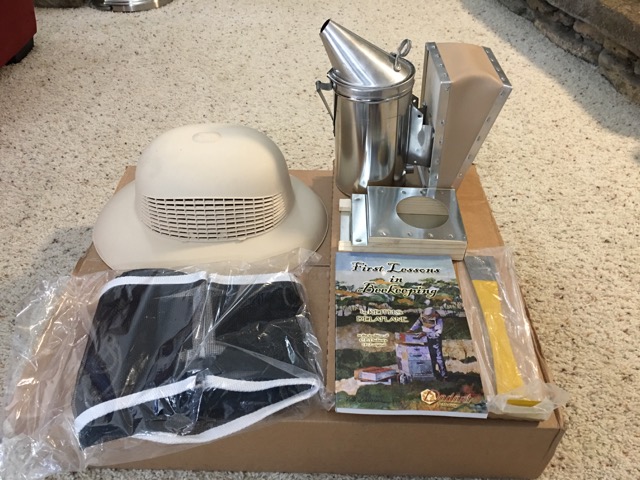
Yesterday, we spent the day on the campus of Kentucky State University for the 14th Annual Bluegrass Beekeeping School. There are a number of courses and workshops offered in different locations throughout Kentucky, and the Kentucky State Beekeepers Association has a comprehensive list here: https://kybees.org/news-and-events/.

Bluegrass Beekeeping School offered different tracks for attendees to select, depending on their experience level. For complete novices (like us), there were four consecutive introductory sessions that covered the basics of beekeeping. For more experienced apiarists, there were several choices per time slot of sessions with topics ranging from top bar bee hives to making mead to bee diseases. While many of the topics sounded intriguing, we attended the introductory courses so that we would have a solid foundation of knowledge upon which we could build (meaning that we’ll go back next year and attend some of those other sessions!). Continue reading “What We Learned: 2017 Bluegrass Beekeeping School”

Farm Project Update: Breeding Pens, Not So Much

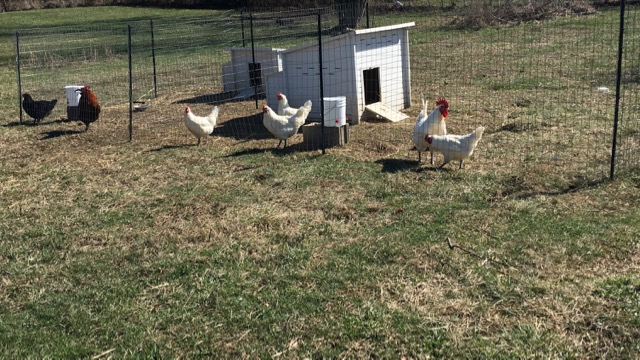
Breeding Pens

We recently described how we had constructed a couple of tractor-style enclosures for the French Black Copper Marans and American Bresse breeding groups. While we’d like to tell you that they worked exactly as intended, that wouldn’t be reflective of reality…

We should all be able to agree that no one likes it when projects don’t work out as envisioned, especially ones that require a fair amount of toil. Nonetheless, that’s exactly what happens sometimes. We think it’s important to share “lessons learned” as well as successes so that others may benefit from the identification of our mistakes and process improvements (and hopefully avoid making the same mistakes). Continue reading “Farm Project Update: Breeding Pens, Not So Much”